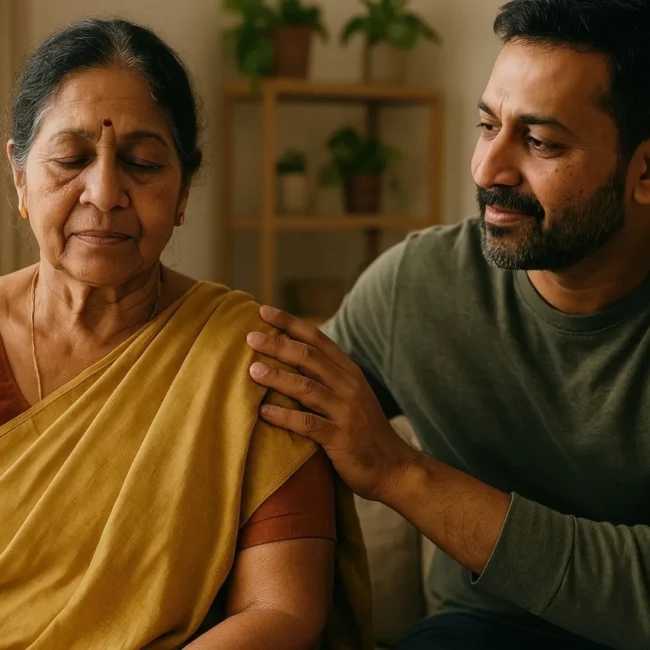
Falls are among the most common concerns for older adults, and for many caregiving children, the thought of our parent falling while we’re away can be deeply unsettling. Whether you live in another city, another country, or just across town, not being able to respond immediately can make you feel helpless.
The truth is, you can still be a source of strong support, even from a distance, if you prepare in advance, stay connected, and know how to respond. With some planning and open communication, you can protect your parents’ safety and confidence while also easing your worries.
Understanding Fall Risks for Ageing Parents
The first step in preparing is understanding why falls happen in the first place. Muscle weakness, poor balance, side effects from medications, and conditions like arthritis or osteoporosis all increase the risk. Vision or hearing problems can also make moving around more hazardous, and something as small as a loose rug, dim lighting, or a wet floor can become a danger.
When you’re aware of these risks, you can take preventive steps, such as encouraging regular exercise, scheduling routine health check-ups, and making your home environment safer.
Putting an Emergency Plan in Place
Being far away means you’ll need a clear plan for what your parent should do if they fall. This plan might include having the phone within reach in each room, knowing which neighbours or friends can come over quickly, and keeping important information, such as their doctor’s number and a list of medications, easily accessible. It’s not a bad idea to prepare a small laminated “What to Do If I Fall” card for your parent to keep nearby.
It’s also worth talking through the steps with your parent so they feel confident: staying calm, checking for injuries before moving, and calling for help if needed.
How Technology Helps in Long-Distance Parent Care
Technology can be a great ally in bridging the physical distance between you and your parent. Medical alert devices, whether worn on the wrist or around the neck, can connect them to emergency help at the press of a button, and many now have automatic fall detection. Smartphones with SOS features and voice-activated home assistants can also make it easier to call for help without moving too much after a fall.
The key is to introduce these tools positively, emphasising that they are not a sign of dependency, but rather a way to maintain independence while staying safe.
What to Do After Your Parent Suffers a Fall
Even if your parent seems fine, it’s important to arrange a medical check-up. Some injuries, such as fractures or head trauma, may not be obvious right away. A doctor can also review medications, as certain prescriptions may contribute to dizziness or unsteadiness.
Beyond the physical effects, a fall can have an emotional impact. Many older adults become fearful of moving around after a fall, which can lead to less activity, weaker muscles, and an even greater risk of falling again. This is where your encouragement is vital. Gentle, doctor-approved exercise can help them regain strength and confidence.
Building a Local Safety Net
If you live far away, having a reliable local support network can make all the difference. This might include neighbours who can check in quickly, friends who visit regularly, or a professional eldercare service. The important thing is that your parent knows exactly who they can call, and that these people know your parent’s medical needs and preferences.
It’s also wise to keep this network updated about any changes in your parents’ health, mobility, or home environment so they can respond effectively if something happens.
Fall Prevention Tips for Ageing Parents Living Alone
While knowing what to do after a fall is essential, the best approach is to reduce the likelihood of one happening at all. Make the home safer by:
-
Adding grab bars in the bathroom for support.
-
Ensuring good lighting in hallways and living spaces.
-
Removing loose rugs and clutter to prevent tripping.
-
Encouraging regular eye and ear check-ups, as even minor changes can affect balance.
-
Supporting good nutrition with adequate calcium, vitamin D, and proper hydration to strengthen bones and muscles.
-
Promoting an active lifestyle with activities like walking, light yoga, or tai chi to improve strength, balance, and flexibility.
-
Encouraging social interaction to keep older adults physically active, engaged, and emotionally positive.
When You’re Abroad or in Another City
If you live far away, especially in another country, you may need to add extra layers of preparation. This could include location-sharing apps (with your parents’ consent), a list of emergency contacts in their city, and a partnership with a local eldercare service that can visit regularly and keep you informed. Many families now rely on such services to provide not just emergency response, but also ongoing companionship, medication reminders, and regular health updates.
Staying Involved from Afar
Even when you can’t physically be there, your role is still essential. You can coordinate medical care, arrange follow-up appointments, help manage paperwork for insurance or hospital visits, and, perhaps most importantly, provide emotional reassurance. Hearing your calm, supportive voice after a frightening event can make a huge difference in your parents’ recovery and confidence.
It’s natural to worry about your parents’ safety, especially as they grow older and you can’t always be nearby. But by planning, embracing the right tools, and building a strong support network, you can ensure that if a fall does happen, your parent gets the help they need quickly and recovers with dignity.
Caring from a distance is not about being perfect; it’s about being prepared, staying connected, and offering comfort in the moments that matter most. With love, organisation, and the right resources, you can give your parent both independence and security, no matter how many miles are between you.