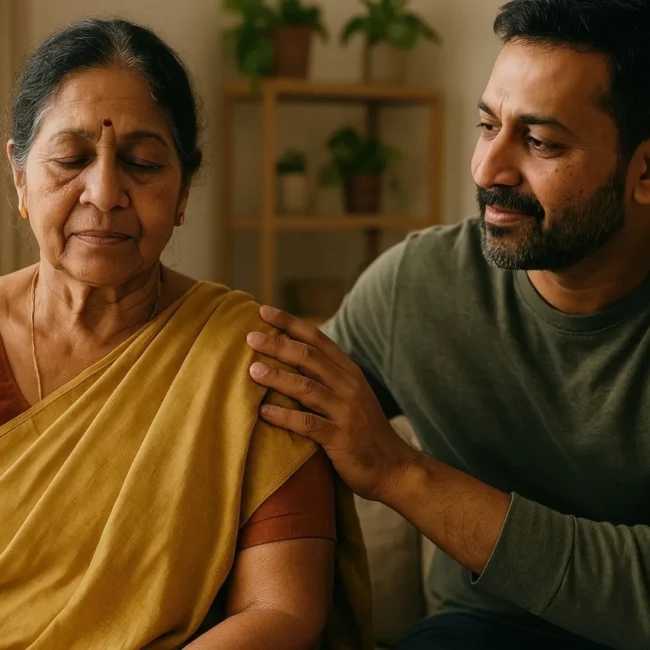
As the seasons change, the thought of winter brings both comfort and concern. While many people enjoy the charm of chilly mornings, warm beverages, and festive gatherings, winter can pose particular challenges for older adults. Cold weather can increase the risk of illness, joint discomfort, and even accidents at home. For caregivers living away from their parents, these concerns can feel amplified. Yet, with thoughtful preparation and a structured approach, it is possible to ensure that parents remain safe, healthy, and emotionally supported throughout the season.
This article shares practical and compassionate ways caregivers can help their parents prepare for the winter months, even from a distance.
Preparing the Home Environment
The home is the first line of defence against winter’s chill. For older adults, ensuring warmth and safety indoors is essential. Even if you are not physically present, you can help your parents prepare their living space through careful planning.
Start by checking whether their heating arrangements are in good condition. If they use room heaters, geysers, or electrical blankets, have a trusted neighbour, technician, or service provider inspect them in advance. Draught-proofing windows and doors is a simple but effective way to retain warmth and reduce energy bills. Encourage your parents to keep one or two rooms as the main warm zones rather than heating the entire house.
Stocking up on winter essentials is equally important. Comfortable blankets, quilts, and woollens should be clean, accessible, and within easy reach. Simple aids such as hot water bottles, heating pads, or insulated flasks for warm water can add extra comfort. You can also arrange deliveries of items like thermal wear, socks, and gloves online, making sure your parents are equipped before temperatures drop.
Safety is another aspect to consider. Cold weather increases the risk of falls, especially if floors become slippery. Non-slip mats, adequate lighting, and clutter-free pathways can prevent accidents. Asking someone local to check the home layout before winter begins is a wise precaution.
Supporting Your Parents’ Health and Nutrition in Winter
Winter health is about more than just staying warm; it also involves keeping the body nourished and active. As a caregiver, you can play a vital role in encouraging your parents to prioritise their well-being.
Nutrition should focus on foods that strengthen immunity and provide warmth. Seasonal fruits like oranges and guavas, vegetables like carrots, spinach, and beetroots, and protein sources such as lentils and eggs are excellent choices. Warm soups, herbal teas, and traditional winter recipes can also make meals more enjoyable. Remind your parents to stay hydrated, as people often drink less water in colder months without realising the need for it.
If your parents are on regular medication, ensure they have a sufficient stock for the season. Encourage them to get their flu shot or other recommended vaccines before winter begins. A gentle reminder to keep up with routine health checks, whether in person or via tele-consultations, adds an extra layer of safety.
Physical activity, even indoors, should not be neglected. Light stretches, yoga, or simple walking inside the home can keep joints flexible and improve mood. You could explore online classes tailored for older adults, which they can follow at their own pace.
Staying Connected and Reducing Loneliness
Winters often bring shorter days and longer nights, which can sometimes feel isolating, particularly for older adults living alone. Emotional well-being is as critical as physical safety during this season.
Regular communication can go a long way in keeping spirits high. Scheduling daily or frequent video calls ensures your parents feel connected to you, even if you are far away. Share updates about your day, involve them in family conversations, and encourage them to talk about their routines and feelings.
Encouraging local social connections can also help combat loneliness. Whether it is attending community gatherings, participating in prayer groups, or simply visiting neighbours, these small interactions provide warmth and companionship. If they are comfortable using technology, help them explore online groups or hobby circles. A sense of belonging makes winter days feel less heavy.
Coordinating with Local Help and Services
When living away, having reliable local support is invaluable. Building a small network of trusted people who can assist your parents during winter ensures peace of mind for both you and them.
Neighbours or close family friends can be the first line of support. A quick check-in during extreme weather or an occasional visit to ensure everything is in order can make a big difference. Professional caregivers or home help can also be engaged for daily needs, from meal preparation to light household chores.
Technology offers additional reassurance. Medical alert devices, monitoring cameras in key areas, or health apps that track vital signs can help you stay informed. Many services now provide doorstep delivery of groceries, meals, and medicines. Arranging these in advance reduces the chances of your parents having to step out in harsh weather.
Most importantly, establish clear communication channels. If you have a professional caregiver, agree on a schedule for updates. If you rely on neighbours, ensure they have your contact details in case of emergencies. Such planning creates a safety net for your parents.
Planning Ahead and Being Prepared for Emergencies
One of the best ways to protect older adults during winter is by planning ahead. Caregivers can help their parents prepare for unexpected situations without causing them undue stress.
Encourage your parents to keep a list of emergency contacts handy, including doctors, local hospitals, and nearby relatives or friends. Ensure that medicines, basic first-aid supplies, and essential groceries are always available in the house. Arranging refills and deliveries ahead of time prevents last-minute worries.
Winter can sometimes bring power cuts or sudden breakdowns in heating equipment. Guide your parents to keep torches, spare batteries, and extra blankets ready. Discuss a simple plan with them about what to do if the weather turns severe, whether that means staying with a neighbour temporarily or calling for immediate help.
Proactive planning allows parents to feel empowered rather than anxious. For caregivers, it offers reassurance that their loved ones are better prepared for the unexpected.
Conclusion
Caring for parents from afar, especially during winter, can feel challenging. Yet, small, thoughtful actions can ensure they remain safe, healthy, and emotionally supported. By preparing their home environment, encouraging good health habits, maintaining strong emotional connections, coordinating with local help, and planning for emergencies, caregivers can make a meaningful difference.
Winter need not be a season of worry. With a little foresight and organisation, it can become a time of comfort, warmth, and joy for parents and caregivers alike. After all, care is not measured by distance but by the love and thoughtfulness we bring into our actions.