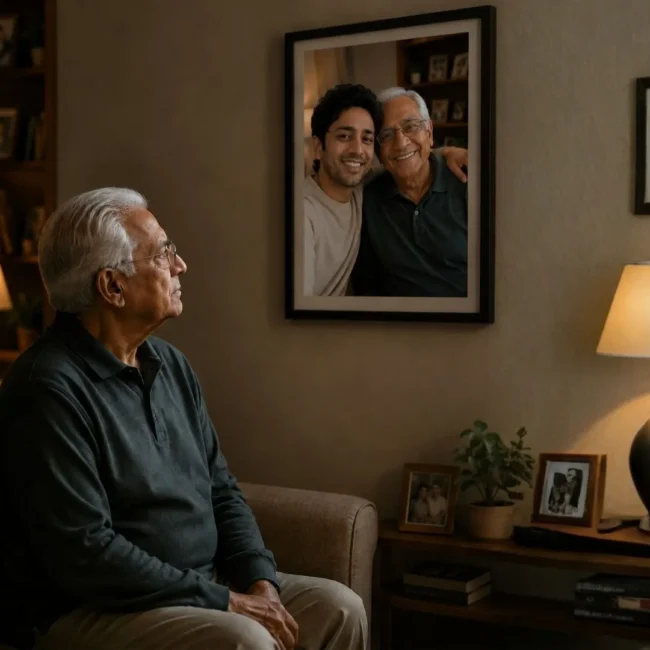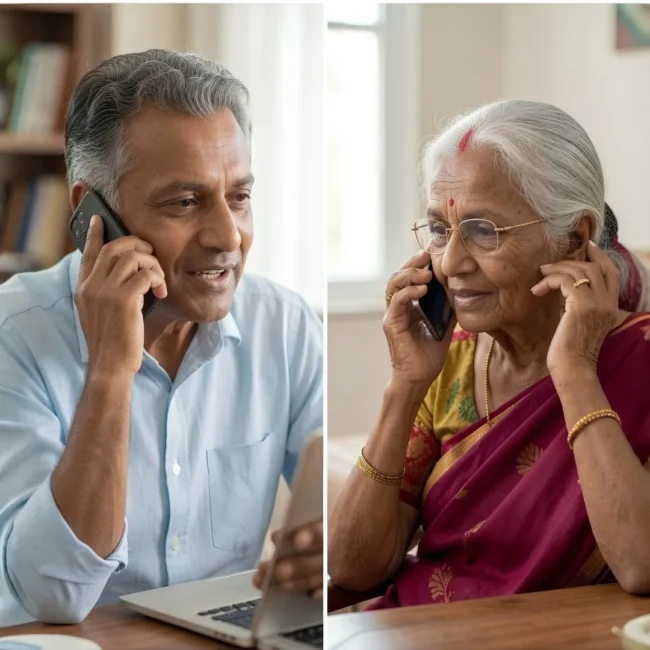
Caring for Parents in Another City in India tugs at your heartstrings in ways few people openly discuss. When you are caring for parents in another city in India, you are often balancing career growth in places like Mumbai or Bengaluru while your ageing parents in Lucknow, Jaipur, or Coimbatore manage daily life on their own. A missed call from the doctor or a delayed WhatsApp reply can quickly turn into hours of anxiety.
This experience of caring for parents in another city in India often feels like living an NRI life within the same country. The guilt can feel heavy, but it is not failure. It is simply love stretched across distance.
The real question is not whether distance is difficult. The real question is how caring for parents in another city in India can be managed with better planning, stronger support systems, and greater peace of mind.
Why Long-Distance Care Is Increasing in India
India has one of the largest internal migrant populations in the world. Millions move to metropolitan cities for employment, leaving elderly parents in their hometowns. Traditional joint family support systems are shifting, and long-distance caregiving in India is now a modern necessity.
At the same time, urban seniors face growing challenges:
- Medication mismanagement
- Falls at home
- Social isolation
- Delayed medical intervention
Studies by organisations such as HelpAge India indicate that urban loneliness significantly impacts elderly health, worsening conditions like hypertension and diabetes. Without proper monitoring, small issues can escalate quickly.
Preparation, however, transforms anxiety into control.
7 Essential Strategies for Caring for Parents in Another City in India
These practical steps help you move from emotional stress to structured support.
1. Create a Daily Communication Routine
Schedule fixed video or voice calls at predictable times. WhatsApp works well because it is familiar and simple. Routine builds security for your parents and reassurance for you.
Keep conversations light, but also observe subtle cues such as fatigue, confusion, or mood changes.
2. Use Smart Monitoring Thoughtfully
Basic technology can significantly reduce risk:
- Fall detection sensors
- Video doorbells
- Medication reminder apps
Choose devices that are easy to operate and do not overwhelm your parents. The goal is safety, not surveillance.
3. Build a Reliable Local Support Circle
Identify:
- Trusted neighbours
- Resident Welfare Association members
- Nearby relatives
- Local chemists who offer home delivery
A small but dependable network acts as your physical presence when emergencies arise.
4. Digitise Medical Records
Scan prescriptions, reports, and diagnostic history. Store them securely using digital folders or healthcare apps.
Schedule periodic virtual consultations with a geriatric specialist to proactively review medications and prevent complications. Remote elderly care becomes far more manageable when documentation is organised.
5. Secure Financial Systems
Automate essential payments such as:
- Electricity and water bills
- Gas refills
- Medicine subscriptions
Set aside an emergency buffer fund accessible to both you and a trusted local contact. Financial clarity reduces last-minute panic.
6. Monitor Nutrition and Mobility
Encourage:
- Simple home-cooked meal plans
- Reliable tiffin services if cooking becomes difficult
- Gentle chair yoga or guided exercises
Mobility decline often begins subtly. Regular encouragement keeps independence intact.
7. Plan Structured Visits
Instead of occasional rushed trips, block calendar time in advance. Quarterly visits create predictable emotional anchors for your parents. If you have siblings, rotate visits to share responsibility.
Distance feels less overwhelming when there is a system.
When Professional Elder Care Becomes Essential
Even with planning, managing ageing parents remotely can feel exhausting. This is where structured elder care services and home care services provide practical relief.
Professional caregivers can assist with:
- Medication supervision
- Vital monitoring
- Daily hygiene support
- Companionship
- Hospital coordination
The benefit is not replacing your role. It is extending it.
Reliable home care services provide periodic reports, update families on health changes, and ensure early intervention when needed. For long-distance caregiving in India, this layer of accountability reduces emergency hospitalisations and restores emotional balance.
How Samarth Supports Families Across Cities
For families navigating caring for parents in another city in India, Samarth offers structured, personalised elder care solutions designed specifically for Indian homes.
Samarth’s model focuses on:
- Comprehensive geriatric assessment
- Trained and verified caregivers
- Regular health monitoring
- Transparent family updates
- Culturally sensitive support
Whether your parents need weekly check-ins or more intensive assistance, Samarth bridges the distance between cities with professional oversight and human warmth. It allows you to remain emotionally present while ensuring daily safety on the ground.
This partnership transforms reactive care into proactive care. Book a free consultation
Replacing Guilt with Structure
Caring for parents from another city does not mean you are absent. It means you are adapting to a changing India.
With the right systems in place, you can:
- Reduce uncertainty
- Improve safety
- Strengthen emotional connection
- Protect long-term health
Start with one structured step today. Build gradually. Seek professional support when needed. Distance may be inevitable. Neglect is not.
You are not alone in this journey. With thoughtful planning, your parents can age safely, confidently, and with dignity across cities.