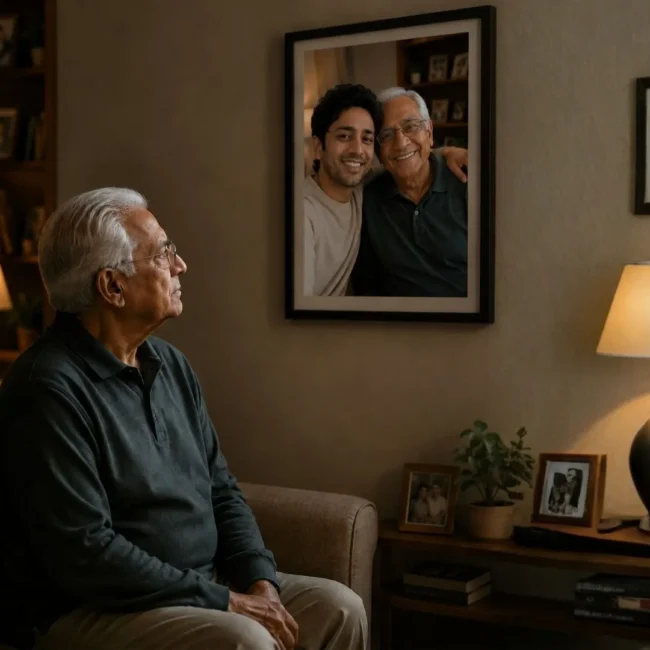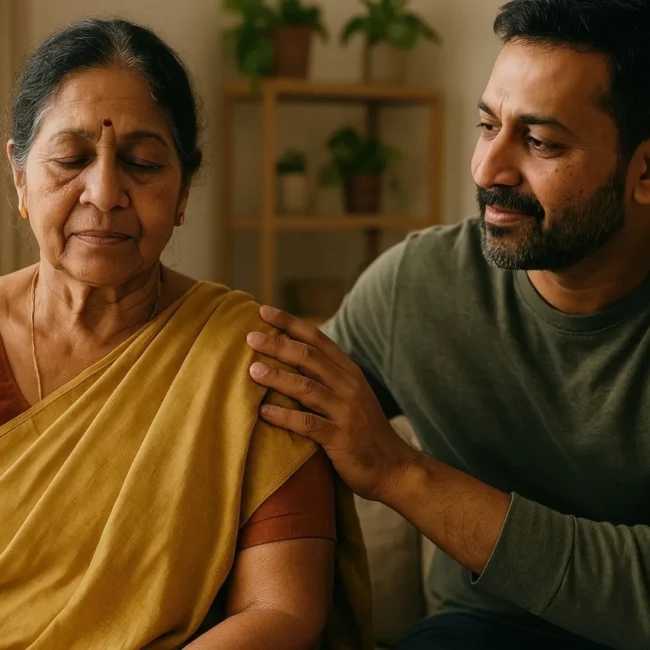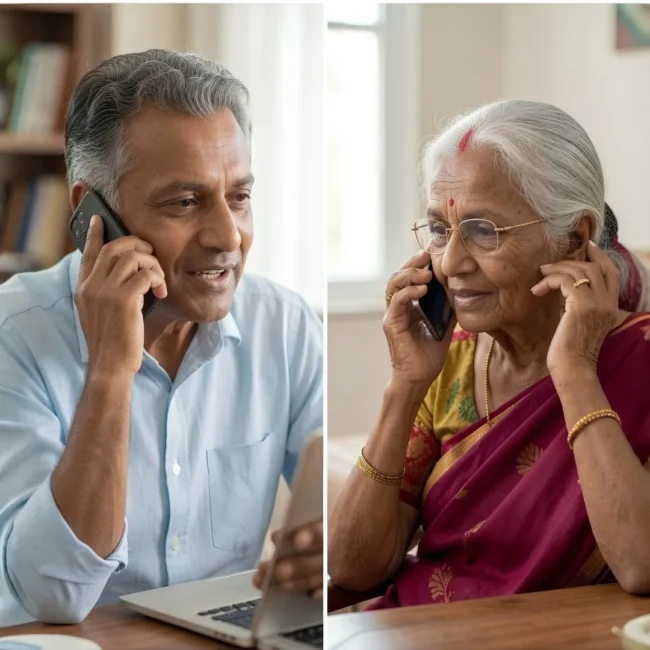
As parents grow older, daily life often becomes quieter. Work routines fade, social circles become smaller, and mobility may gradually slow down. For many seniors, especially those living at home in cities like Bangalore, the biggest challenge is not illness, but inactivity and isolation.
Yet ageing does not have to mean disengagement. Simple, thoughtful activities can help seniors stay physically active, mentally stimulated, and emotionally connected to the world around them. A structured daily routine with meaningful activities helps maintain independence, improves mood, and adds a sense of purpose to everyday life. Whether you live with your parents or support them remotely, finding the right activities for senior citizens in Bangalore or similar urban settings can make a meaningful difference to their daily well-being.
Families are often surprised to see how small habits, such as a short walk indoors, a puzzle after breakfast, or a conversation over tea, can significantly improve a senior’s well-being. The goal is not to keep seniors busy, but to help them stay engaged with life.
Why Daily Activities Are Important for Senior Citizens
Regular activity plays an important role in healthy ageing. Just as children grow through stimulation and learning, seniors benefit from routines that keep both the body and mind active. Regular activities for senior citizens in Bangalore play a key role in maintaining physical strength, mental clarity, and emotional well-being.
Maintaining Physical Mobility
Light physical movement helps maintain muscle strength, balance, and flexibility. Even small movements such as stretching or walking indoors support joint health and circulation, reducing the risk of falls and stiffness.
Preventing Loneliness and Isolation
Many seniors experience reduced social interaction as friends move away, pass on, or family members become busy. Daily activities create opportunities for interaction and companionship, helping seniors feel included and valued.
Improving Memory and Cognitive Health
Mental engagement keeps the brain active. Activities that require thinking, remembering, or learning stimulate cognitive function and may help slow age-related memory decline.
Creating Routine and Purpose
A predictable daily rhythm provides emotional stability. When seniors have small tasks, hobbies, or interactions planned throughout the day, it brings a sense of purpose and structure.
Simple Physical Activities Seniors Can Do at Home
Physical activity does not require gyms or intense exercise routines. Many seniors can remain active through simple movements that are gentle and safe. Here are some simple physical activities for senior citizens in Bangalore that can be done safely at home:
Gentle Yoga and Stretching
Yoga practices designed for seniors can improve flexibility, posture, and breathing. Simple stretches help maintain joint mobility and reduce stiffness, especially in the back, shoulders, and knees.
Even 10 to 15 minutes of guided stretching in the morning can make daily movement easier.
Indoor Walking and Mobility Exercises
Walking indoors, around the house or corridor, helps maintain mobility and circulation. Some seniors also benefit from basic mobility exercises such as ankle rotations, leg lifts, or chair-supported standing exercises.
These activities are especially helpful for seniors who prefer staying indoors or during Bangalore’s rainy season.
Light Gardening or Balcony Activities
Balcony gardening is both relaxing and physically engaging. Watering plants, trimming leaves, or arranging small pots encourages gentle movement while also creating a calming connection with nature.
Many seniors find great joy in watching plants grow, turning a simple activity into a daily source of happiness.
Mental Stimulation Activities for Seniors
Just as the body needs movement, the brain benefits from regular mental engagement. Activities that stimulate thinking and curiosity help seniors stay mentally sharp and emotionally fulfilled.
Reading newspapers or books keeps seniors informed and encourages reflection. Many seniors enjoy discussing current events with family members afterwards, which also encourages conversation.
Puzzles and board games such as crosswords, Sudoku, chess, or carrom challenge memory and problem-solving skills. These games can be enjoyed alone or with family members.
Memory games are particularly beneficial for seniors experiencing mild forgetfulness. Simple exercises such as recalling past events, identifying photographs, or matching cards help stimulate cognitive pathways.
Learning new hobbies is another powerful way to maintain mental vitality. Some seniors enjoy learning devotional songs, trying simple crafts, practising drawing, or exploring smartphone apps that help them connect with family.
Structured companionship programs can also support seniors in staying socially and mentally active. Services like companionship and community programs offered through Samarth help seniors engage in conversations, activities, and community interactions.
Social and Recreational Activities for Seniors
Social interaction is one of the most important elements of healthy ageing. Seniors who remain socially engaged often experience better emotional well-being and a stronger sense of belonging.
Conversations and Story Sharing
Many seniors carry a lifetime of stories and experiences. Encouraging them to share memories, family history, or personal achievements helps preserve the emotional connection between generations.
Listening to these stories can also help younger family members understand their parents and grandparents more deeply.
Watching Movies or Listening to Music
Watching classic films, devotional programs, or listening to favourite music from earlier decades can be deeply comforting for seniors. Music, in particular, often triggers memories and emotions that promote relaxation.
Even a short evening routine of listening to music together can become a cherished daily moment.
Celebrating Festivals and Family Moments
Festivals hold deep emotional meaning for many seniors. Decorating the home, preparing small festive foods, or simply participating in family rituals helps seniors feel connected to culture and tradition.
These moments remind them that they remain an important part of family celebrations.
Activities Caregivers Can Do with Senior Citizens
Caregivers often play an important role in encouraging seniors to remain active and engaged. Beyond assisting, caregivers can also become companions who make daily routines more meaningful.
Guided walks inside the home or within the apartment complex help seniors maintain mobility while ensuring safety.
Reading together can stimulate both conversation and curiosity. Some seniors enjoy reading aloud, while others prefer listening to stories or devotional texts.
Memory conversations are another meaningful activity. Looking through old photo albums or discussing past family events can bring joy while also supporting cognitive recall.
Caregivers can also assist with hobbies such as painting, knitting, gardening, or simple craft activities. When seniors feel supported in pursuing their interests, they are more likely to stay mentally and emotionally active.
Families seeking structured support for daily activities and engagement can explore professional elder care services in Bangalore.
Signs Seniors Need More Engagement and Support
Sometimes reduced activity is not immediately noticeable. Families may assume a parent is simply “resting,” when in reality they may be experiencing boredom, loneliness, or reduced motivation.
A few signs may indicate that a senior needs more engagement:
- Spending most of the day inactive or sleeping
- Losing interest in hobbies they once enjoyed
- Mood changes such as irritability or sadness
- Avoiding conversations or social interactions
- Reduced enthusiasm for daily routines
These changes often appear gradually. Recognising them early allows families to introduce supportive routines and companionship before isolation becomes deeper.
Conclusion: Active Living Improves Quality of Life for Seniors
Ageing does not have to mean slowing down completely. With the right balance of physical movement, mental stimulation, and social interaction, seniors can continue living fulfilling and meaningful lives at home.
Simple daily activities such as stretching, reading, conversations, and shared hobbies help seniors stay connected to themselves, their families, and their communities.
For families in Bangalore supporting ageing parents, encouraging these activities is one of the most valuable ways to promote health, happiness, and dignity in later life.
When seniors remain engaged in everyday life, home continues to feel not just safe, but vibrant and full of meaning.