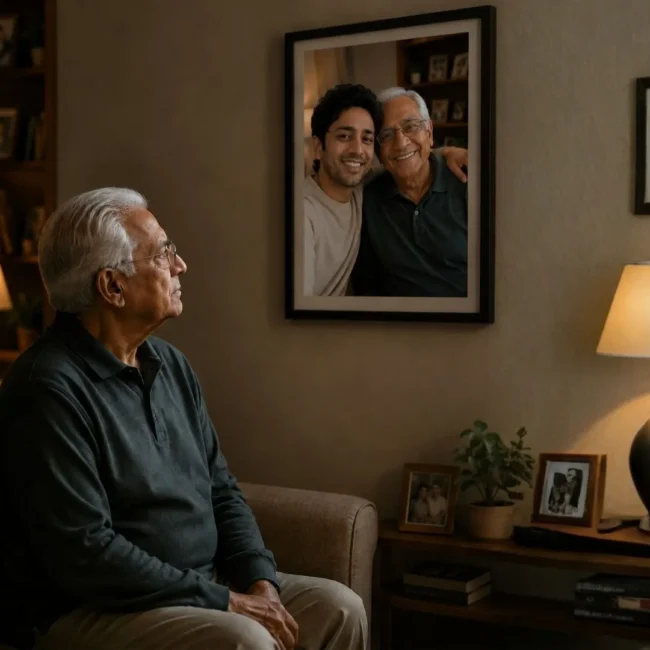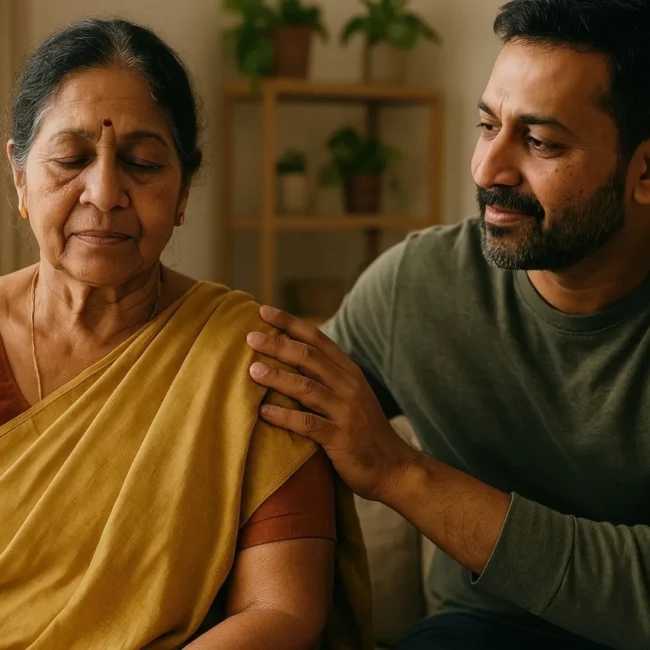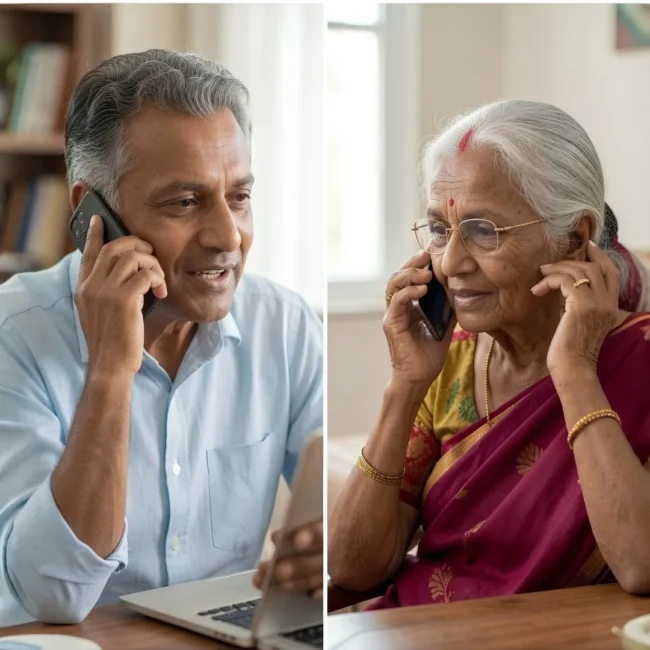
It is 2 a.m., and your phone lights up. Your mother has been rushed to a hospital in Jaipur. Your father is trying to explain what happened, but he is scared, and the words are not coming out clearly. You are sitting 8,000 miles away, still in yesterday’s clothes.
That helplessness, the kind that sits in your chest and does not move, is something thousands of NRI families know. You love your parents deeply. You have built a life abroad. And right now, those two truths feel like they are tearing you apart.
This guide will not make the distance disappear. But it will tell you exactly what to do in the next 30 minutes, the next few hours, and the days that follow, so you can show up for your parents even from the other side of the world.
Why a Medical Emergency Feels Different When You Are an NRI
When a family member falls ill, and you are in the same city, you can be at the hospital in minutes. You can speak to the doctors, question the nurses, and hold your parents’ hands. Distance removes all of that.
As an NRI, you are managing this across time zones, through broken phone calls, with family members who may themselves be overwhelmed. You are making decisions without being able to see what is happening. That is an enormous burden.
The good news: this is a manageable situation. Not an easy one, but a manageable one. Families do this every day. And with the right steps, you can coordinate care that is genuinely good for your parent.
Step 1: Immediate Steps, What to Do in the Next 30 Minutes
The first 30 minutes matter most, whether your parent is in Kolkata or across the country. Here is what to focus on, in order.
1. Get One Person on the Ground
Do not try to coordinate with five relatives at once. Identify one trusted person, a sibling, a cousin, a close family friend, and make them your single point of contact. Everyone else can be kept informed, but decisions flow through one person only.
2. Call the Hospital Directly
Ask your ground contact to hand the phone to a nurse or the duty doctor. Introduce yourself, explain that you are calling from abroad, and ask for a clear update on your parents’ current condition. Do not rely on secondhand information in the first hour.
3. Find Out Which Hospital and Which Department
Get the full name of the hospital, the ward your parent is in, and the name of the attending doctor. Write this down. You will need it for every call that follows.
4. Confirm Insurance or Payment Arrangements
Ask your contact to check whether your parent has a health insurance card or a cashless facility with them. If not, authorise someone in writing, even a WhatsApp message can work initially, to handle payments on your behalf.
5. Do Not Book a Flight Yet
Your instinct will be to get on the first plane. Wait for 30 to 60 minutes and speak to the doctor first. Many situations stabilise quickly. Booking in panic can mean expensive tickets for a trip that may not be necessary. You can always book once you have clarity.
Step 2: How to Coordinate Hospital Admission From Abroad
If your parent needs to be admitted, there is a clear set of steps you can take remotely to make sure they get the right care.
1. Appoint a Local Medical Representative
This is the most important thing you can do. Your representative, a family member, trusted friend, or professional care coordinator, acts as your eyes and ears. They speak to the doctors, sign forms, and send you updates. Choose someone calm, articulate, and available.
2. Share All Medical History Upfront
Send your representative a complete list of your parent’s existing conditions, current medications, past surgeries, and known allergies. If this is not documented already, use this moment to create that document. It will be needed at every future appointment too.
3. Request a Private or Semi-Private Room, If Possible
In most Indian hospitals, the quality of nursing attention improves significantly in a private room. It also makes it easier for family members to stay close. Ask your representative to see what is available within your budget.
4. Set Up a Daily Update Schedule
Ask your representative to call or message you at a fixed time every day, say 8 a.m. and 8 p.m. India time. This reduces the anxiety of waiting for news and keeps you from constantly calling, which disrupts your work and their caregiving.
Step 3: Questions to Ask the Doctors
When you get to speak with the treating doctor, and you should insist on speaking with them directly, not just through a relay, here are the questions that matter most.
- What is the confirmed diagnosis, and how certain are you at this stage?
- What is the treatment plan and the expected timeline for recovery?
- What are the risks if we follow this plan, and what are the alternatives?
- Are there any procedures or surgeries being recommended? If so, why, and can they wait?
- What are the warning signs we should watch for that would indicate the situation is getting worse?
- Who is the senior doctor overseeing this case, and when can I speak with them directly?
- What does my parent need from their family right now, emotionally and physically?
Write down the answers. Ask for the doctor’s name and a time when you can follow up. Most doctors in reputable Indian hospitals are accustomed to speaking with NRI family members and will make time for a video call if asked.
Step 4: Managing Discharge and Home Recovery Remotely
Discharge is not the end of the medical situation. For many elderly patients, the weeks after hospitalisation are when things can go wrong. Managing this from abroad requires planning.
1. Get a Written Discharge Summary
Before your parent leaves the hospital, ensure the discharge summary is in your hands, either photographed and sent to you or emailed directly. This document contains the diagnosis, treatment given, medications prescribed, and follow-up instructions. Do not let your parent leave without it.
2. Confirm Medications and Dosing
Ask your local contact to photograph every medication bottle and the prescription. Verify the dosages with the doctor if anything looks unclear. Set up medication reminders on your parent’s phone, or arrange for someone to be present during medication times.
3. Arrange Home Nursing If Needed
If your parent needs wound care, physiotherapy, IV medication, or assistance with basic activities after discharge, arrange for a trained home nurse through a reputable agency before they leave the hospital. Do not assume a domestic helper or family member can manage clinical care.
4. Schedule the First Follow-Up Appointment Before Discharge
The treating doctor will recommend a follow-up visit. Book it before your parent is discharged, while you still have access to the hospital’s scheduling system and the doctor’s contact. Do not leave this for later.
Step 5: Documents You Need Ready Before an Emergency
Most of the stress in a medical emergency comes not from the illness itself, but from not having the right information at the right moment. Prepare this now, while there is no crisis.
1. A Medical Summary Document
A single page listing your parents’ diagnoses, medications and doses, allergies, blood type, and the names and numbers of their regular doctors. Keep digital and physical copies: one with you, one with your parent, one with a trusted relative in India.
2. Insurance and Payment Details
Health insurance policy number, the insurer’s emergency helpline, and confirmation of whether the hospital has a cashless facility with that insurer. Many families lose crucial hours at the payment counter during emergencies because no one can find this information.
3. A Legal Authorisation Letter
A signed letter authorising a specific person in India to make medical and financial decisions on your behalf. In complex or critical situations, hospitals may require this before proceeding. Have it ready before you need it.
4. An Emergency Contact Hierarchy
A clear list, in order of priority, of who should be called if something happens to your parent. Include your number, a backup family member, and a non-family emergency contact. Your parent should carry this in their wallet.
Step 6: Building a Care System So the Next Emergency Is Less Chaotic
A medical emergency reveals the gaps in your parents’ care arrangement. Once the immediate crisis has passed, use this moment to build something more resilient. Our guide to 24/7 elderly emergency support in India explains what a genuine emergency response system looks like beyond a helpline, and what questions to ask before you need it.
1. Identify Your Parents’ Primary Doctor
Every elderly person should have one doctor who knows their full history, not a different specialist every visit. If your parent does not have a regular GP or physician, help them establish that relationship now.
2. Schedule Preventive Health Checks
Many serious health events, cardiac episodes, diabetic complications, falls, can be caught early or prevented entirely. Arrange for your parent to have a full health check every six to twelve months, and ensure someone follows up on the results.
3. Put Someone in Charge of Day-to-Day Monitoring
Emergencies are often preceded by weeks of warning signs that no one notices. Having a trained care manager or community health worker check in on your parent regularly can catch problems before they become crises.
4. Have the Difficult Conversation
Talk to your parents, gently and with love, about their wishes if a serious health event occurs. What level of intervention do they want? Who do they trust to make decisions? These conversations are hard, but they matter enormously when the moment comes.
Step 7: How Samarth’s Emergency Response Works
When your parent is admitted to a hospital in India, and you are abroad, Samarth becomes the professional presence on the ground that your family may not be able to provide.
For NRI children, this is what Samarth does in a medical emergency:
- A trained Samarth care manager reaches the hospital and speaks directly with the medical team.
- You receive a clear, structured update, covering diagnosis, treatment plan, and what to expect, within hours, not days.
- Your care manager attends doctor visits, asks the right questions on your behalf, and documents everything.
- Samarth coordinates with your local family contacts so everyone is aligned and calm.
- For discharge, Samarth arranges home nursing, physiotherapy, and follow-up appointments so the transition is managed, not left to chance.
- Between emergencies, Samarth provides regular health monitoring so that the next crisis is caught earlier, or prevented entirely.
You do not need to be in India to be in control. You need the right person there for you.
Supporting Your Parents Without Taking Over
Your goal is not to manage your parents’ lives from abroad. It is to make sure they are safe, heard, and cared for, while maintaining their dignity and independence.
Indian parents, especially of a certain generation, often resist asking for help. They do not want to be a burden. They will say they are fine when they are not. Recognising this is part of loving them well.
The care system you build is not about control. It is about creating a safety net that lets your parents live on their own terms, with the confidence that someone is watching out for them.
Being Far Away Does Not Mean Being Absent
The distance between you and your parents is real. But love and care do not require proximity. They require intention, preparation, and the right support.
Every step you take today, building the documents, making the calls, setting up the system, is an act of devotion. Your parents may never see the calls you make at midnight or the research you do alone. But the care reaches them.
You are already doing more than you know.
Set Up Emergency Care Support Now
If your parents are in India and you are abroad, Samarth can be the trusted presence on the ground you have always needed. Reach out today, before the next emergency, not during it.