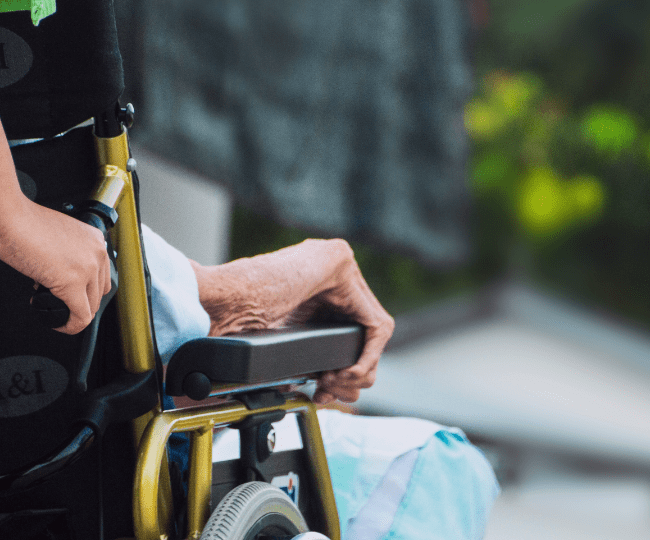
In today’s fast-changing world, more older adults are choosing to live alone. You may have moved abroad or to different cities, while parents remain in their familiar homes, surrounded by memories and neighbours. For many, this independence is a source of pride; for others, it can come with quiet worries of safety, health, or loneliness.
For caregiving children, the distance often brings a deep concern: Are my parents truly managing well on their own? The good news is that with a blend of care, planning, and smart tools, it’s possible to ensure that ageing alone feels empowering, not isolating.
Understanding Why Parents Live Alone
Before stepping in to “fix” things, let’s understand why parents might prefer to live independently. For many older adults, staying in their own home represents dignity and self-respect. It’s where they feel rooted, surrounded by familiar people, routines, and memories.
Some enjoy solitude and the freedom to live life on their own terms. Others may find purpose in maintaining their home, participating in community activities, or helping neighbours. Recognising this perspective allows children to support their parents without making them feel monitored or dependent.
Emotional Well-being: Staying Connected from Afar
Loneliness among seniors isn’t always obvious. Parents might appear fine during short phone calls, but still feel the quiet of an empty home. That’s why consistent, meaningful communication matters.
Go beyond the usual “Have you eaten?” or “Did you take your medicine?” conversations. Technology can help bridge emotional distances. Encourage them to use video calls, voice messages, or shared photo apps to stay in touch. For those who aren’t tech-savvy, you can teach them a little about using technology or set up devices with simple interfaces and shortcuts.
Even newer tools like AI companions or smart speakers can help combat loneliness, offering reminders, music, or even light conversation. These are not replacements for human connection, but they can supplement it beautifully between your regular calls.
Home Safety Tips for Parents Living Alone
When living alone, home safety becomes essential. Most accidents among older adults occur inside the house, and many are preventable.
Start by checking for fall hazards. Replace loose rugs with non-slip mats, ensure good lighting in hallways, and rearrange furniture for clear walking paths. Grab bars in bathrooms, sturdy railings on stairs, and anti-skid tiles can make a significant difference.
Encourage your parents to keep essentials, such as phones, glasses, and medicines, within easy reach. Simple changes like motion-sensor lights or smart plugs can make their daily routines safer and more energy-efficient.
If you’re away, consider a professional home safety assessment. Services like these help identify risks and suggest modifications that suit your parents’ specific needs, without making their home look clinical or restrictive.
Supporting Health and Daily Routines for Elderly Parents
Health routines are easier to maintain with a bit of structure. Encourage regular medical check-ups, and keep track of appointments digitally or book them remotely.
Nutrition is another cornerstone. If cooking daily becomes tiring, explore meal delivery services that offer balanced options, or help them batch-cook and freeze nutritious meals.
For fitness, suggest light daily activities like yoga, walking, or stretching. Many senior-friendly YouTube channels and local fitness groups cater specifically to older adults.
Encouraging Social Circles and Purposeful Engagement
A strong social life is just as vital as a healthy body. Help them find meaningful ways to stay engaged. Encourage them to join senior citizen clubs, religious groups, or neighbourhood meet-ups. These provide companionship, mental stimulation, and emotional balance.
Many communities now offer art, music, or hobby classes designed for older adults. Even volunteering like teaching children, mentoring young professionals, or supporting local charities can help parents rediscover purpose.
Managing Emergencies and Ensuring Peace of Mind
Preparing for emergencies brings confidence to both. Create a simple plan that includes emergency contacts, nearby hospitals, and family doctors.
Digitise essential documents like medical records, ID cards, and prescriptions so you can access them quickly if needed. Also, maintain contact with a trusted local friend, neighbour, or building guard who can check in during any urgent situation.
These small measures create peace of mind, parents feel safe, and you feel reassured.
Shared Strength: Turning Distance into Support
Supporting parents who live alone isn’t about constant supervision; it’s about smart systems and shared trust. With the right blend of human connection and professional assistance, independence and safety can go hand in hand.
You can schedule weekly video calls, automate health reminders, or sign them up for community programmes. But most importantly, let them know you trust their ability to live well, while you stand ready to assist when needed.
And if distance or work makes it hard to stay involved, professional services can fill that gap seamlessly.
At Samarth, we understand the unique needs of ageing parents who live alone. From regular home visits and health monitoring to emotional companionship and emergency coordination, our team ensures that your loved ones are safe, cared for, and never truly alone.
Take the first step today, connect with Samarth to create a personalised care plan for your parents and give them the comfort of safety, independence, and companionship.