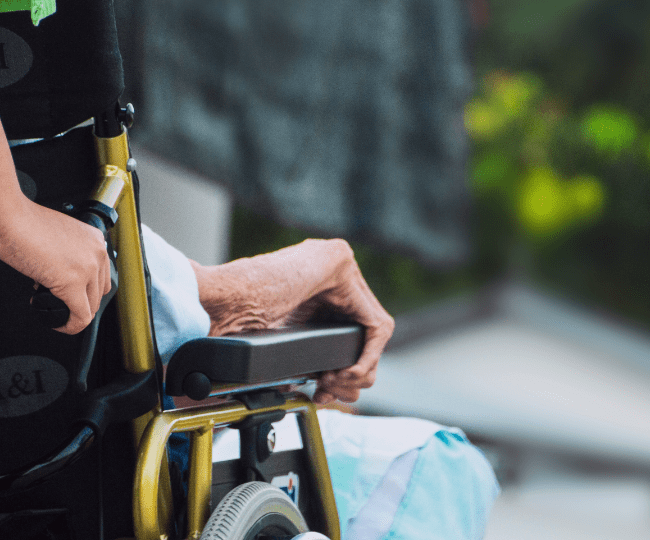
Caring for an older loved one who has survived cancer can feel overwhelming, especially when you’re miles away. The urge to be physically present is strong, but life’s responsibilities may place you in another city, state, or even country. Still, long-distance caregiving is not only possible; it can be meaningful and effective with thoughtful planning, empathy, and the right tools.
If your parent or older relative is recovering from cancer, here’s how you can support them from afar, ensuring they feel cared for, connected, and safe.
Understand Their Unique Needs as a Survivor
Older cancer survivors often face ongoing challenges, even after treatment ends. These may include fatigue, appetite changes, mobility issues, or emotional hurdles like anxiety and fear of recurrence. Many also juggle follow-up visits, medication schedules, and lifestyle adjustments.
Start by understanding their specific cancer type, the treatments they received, and any long-term effects. This knowledge helps you participate meaningfully in medical conversations and coordinate with on-site caregivers or family members.
Build a Reliable Local Support Network
When you can’t be there in person, having reliable people nearby becomes essential. Reach out to neighbours, local relatives, or family friends who can check in occasionally. If that’s not possible, consider hiring a professional home caregiver to assist with daily needs, from meals to basic medical support.
You can also explore cancer support groups or community services for older adults. Several NGOs in India provide counselling, transport, and wellness services tailored to post-treatment care.
Stay Organised and Informed
Managing care remotely requires coordination. Digital tools make this much easier.
- Use shared calendars to track doctors’ appointments, tests, or therapy sessions.
- Apps like Google Keep or CaringBridge help store notes, emergency contacts, and important updates.
- Stay connected with healthcare providers by requesting permission to receive medical updates.
- Assign someone local to attend check-ups and relay observations.
This approach ensures no detail falls through the cracks, even from afar.
Create a Routine for Communication
Recovery from cancer can feel lonely. Older adults often experience emotional isolation, especially when family is far away. That’s why regular, meaningful conversations matter.
Whether it’s a short morning call, a weekly video chat, or a WhatsApp voice note, focus on consistency. These interactions are more than check-ins; they’re emotional lifelines. Encourage honest sharing, not just about physical health, but also how they’re feeling emotionally.
Let Technology Be Your Ally
Smart devices can bridge the caregiving gap like never before:
- Smart pillboxes alert if medication is missed
- Emergency alert systems ensure quick help when needed
- Remote health monitoring tools track blood pressure, sugar, or oxygen levels
- Teleconsultations let you join medical appointments virtually
These tools help you stay involved and informed, even when you’re far away.
Take Care of Your Own Emotions Too
Long-distance caregivers often struggle with feelings of guilt, especially during emergencies or when milestones are missed. However, remember that your consistent effort, love, and planning do make a difference.
It helps to talk to a counsellor or join a caregiver support group. Sharing your feelings and hearing from others can ease stress. Give yourself grace; you are doing your best.
Plan Visits Thoughtfully
When you do visit, use your time wisely:
- Attend key appointments
- Organise medical records and prescriptions
- Review the home setup for safety
But don’t forget to enjoy your time together simply. Cook a favourite dish, go for a walk, or browse through old photo albums. Emotional bonding is just as vital as physical care.
Recognise When It’s Time for Extra Help
If you notice signs such as missed appointments, weight loss, confusion, or mood swings, professional support may be needed. This doesn’t always mean moving to a care facility.
You can explore nursing help, emotional counselling, nutrition support, or even palliative care planning. Many hospitals now offer survivorship care plans that help older adults lead fulfilling lives post-cancer.
Love Knows No Distance
Long-distance caregiving is never easy, but it is deeply meaningful. You may not be physically present every day, but your steady care, thoughtful communication, and loving attention, virtual or emotional, mean the world to your loved one.
They’ve survived cancer. Help them keep thriving, start supporting from afar today.