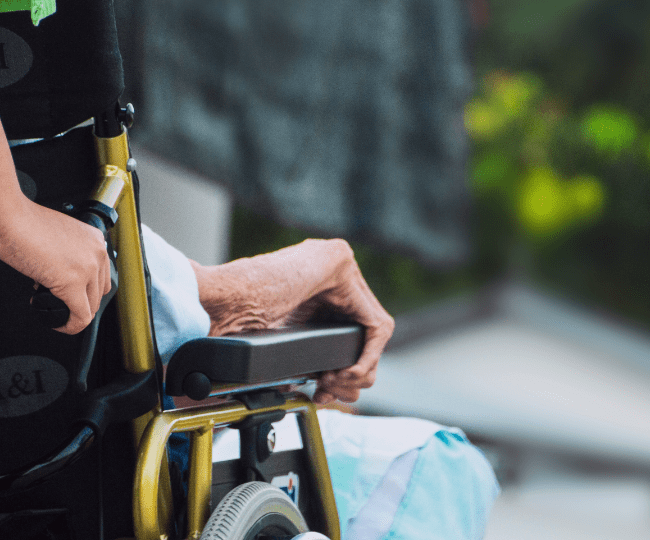
Caring for ageing parents comes with many challenges, especially when mobility, pain, or recovery after a surgery affects their independence. Whether it’s joint pain, stiffness, balance problems, or post-stroke recovery, physiotherapy for the elderly plays a key role in improving quality of life. However, the thought of travelling to a clinic regularly may not always be practical or comfortable for seniors.
That’s where physiotherapy for elderly at home comes in, as a personalised, safe, and effective solution that can fit neatly into your loved one’s daily life.
What is Physiotherapy for Elderly?
Physiotherapy for seniors is a specialised form of care focused on age-related physical issues like arthritis, osteoporosis, reduced mobility, neurological conditions (such as Parkinson’s or stroke), and post-operative rehabilitation.
Unlike general physiotherapy, it is tailored to the needs of ageing bodies, focusing on:
- Gentle and low-impact exercises
- Pain management without overexertion
- Improving balance and preventing falls
- Restoring functional independence
Home-based care adds a layer of comfort, making therapy more accessible and effective for older adults.
Why Choose Physiotherapy for Elderly at Home?
Home physiotherapy is gaining popularity for good reason. It offers a compassionate and practical approach to supporting senior health.
Benefits of Home Physiotherapy for Elderly Parents
- Familiar Environment: Reduces anxiety and promotes faster healing
- Personalised Attention: One-on-one care tailored to specific needs
- Flexible Scheduling: Sessions can be timed to match your parents’ energy levels
- Increased Convenience: No need to travel or arrange transport
- Consistent Monitoring: Progress can be tracked more closely
- Family Involvement: Loved ones can be present and informed
Conditions Commonly Treated Through At-home Physiotherapy
Most elderly individuals suffer from chronic issues that need long-term support. A trained home physiotherapist helps manage and improve these conditions with targeted interventions.
Common Conditions:
Physiotherapy for elderly at home can help with a number of issues, including:
- Arthritis: Reduces joint stiffness, pain, and improves range of motion
- Post-Surgery Rehab: Especially after hip or knee replacements
- Stroke Recovery: Supports neuro-motor function and limb mobility
- Balance & Fall Risk: Improves stability through strengthening exercises
- Chronic Back or Neck Pain: Alleviates discomfort through posture correction and mobilisation
- Parkinson’s Disease: Helps maintain functional mobility and reduce tremors
What Happens in a Typical Home Physiotherapy Session?
Every session is personalised based on medical history and current limitations. However, most sessions follow a structure to ensure comprehensive support.
What to Expect:
- Initial Assessment: Review of mobility, pain points, and health history
- Goal Setting: Short- and long-term goals set with patient and family input
- Therapeutic Exercises: Designed to strengthen, stretch, and stabilise
- Manual Therapy (if required): Soft tissue mobilisation or joint manipulation
- Assistive Training: Use of walkers, sticks, or braces if needed
- Home Exercise Plan: Tips and routines to practise between sessions
Common Physiotherapy Exercises for Seniors at Home
Many effective physiotherapy exercises can be done right in the living room, no fancy equipment needed.
Gentle At-home Exercises:
- Ankle Pumps: Boost blood circulation and prevent clots
- Chair Squats: Strengthen lower body while maintaining support
- Heel-to-toe Walk: Improves balance and gait
- Arm Raises with Light Weights: Increases upper body strength
- Neck Tilts and Shoulder Rolls: Reduce tension and stiffness
- Wall Push-ups: Enhances arm and chest strength without stress on joints
Why Choose a Private Physio at Home?
Hiring a private physio at home can transform recovery and everyday life for your elderly loved one.
Key Advantages:
- Undivided Attention: No waiting rooms, no distractions
- Consistent Support: Better patient-therapist relationship over time
- Customised Sessions: Adaptable based on daily conditions
- Convenient Timings: Schedule that works around rest, meals, or medications
- Progress Tracking: Direct feedback and quicker adjustments in care
For those with chronic conditions or requiring long-term support, private care helps maintain consistency and motivation.
How to Choose the Right Physiotherapist for Your Elderly Parent
Getting the right care provider is crucial. Ask the right questions and ensure you’re working with a trained, compassionate professional.
Checklist for Hiring a Home Physio:
- Certified in geriatric or neurological physiotherapy
- Experience working with older adults
- Willingness to involve family in care planning
- Transparent with progress and challenges
- Can offer a flexible schedule
- Verified by a trusted elder care service
You can explore Samarth’s elder physiotherapy services, where trained professionals offer home visits tailored to seniors.
Long-Term Impact of Physiotherapy on Ageing Well
Physiotherapy isn’t just about managing current problems, it’s an investment in safer, more active ageing.
Outcomes You Can Expect:
- Increased mobility and confidence
- Reduced risk of falls
- Greater independence in daily activities
- Improved mental well-being
- Better sleep, digestion, and posture
- Enhanced quality of life
With regular sessions, seniors can rediscover movement, purpose, and ease, all from the comfort of home.
A Step Toward Safer, Healthier Ageing
Supporting an elderly parent through limited mobility or pain is never easy, especially from a distance. But timely action, like booking physiotherapy for elderly at home, can make a world of difference.
Empower your loved ones with the support they need to live independently, reduce falls, and enjoy everyday activities again.
Need help finding the right physiotherapist?
Explore Samarth’s at-home elder care services or speak to a care advisor today.
FAQs
- How often should elderly parents do physiotherapy at home?
A. Frequency depends on the condition, but most start with 2–3 sessions per week. - Is physiotherapy safe for seniors with multiple health conditions?
A. Yes, when supervised by a trained physiotherapist, therapy plans are customised for safety and health status. - What should I prepare before a physiotherapist visit?
A. Clear space for movement, keep water and towels ready, and have your parent’s medical records available.