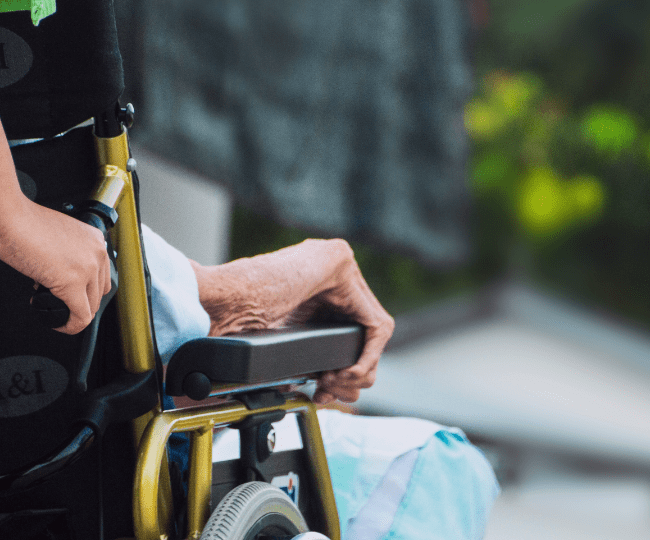
Elder abuse is an often unspoken reality in many families, yet its consequences are devastating. It refers to any harm to an older person, whether physical, emotional, or financial. In India, where older adults increasingly live alone while their children reside abroad, this issue takes on added complexity.
For us, ensuring our parents’ safety and dignity from afar is a constant worry. How do you know your parents are being cared for properly? Are they safe, emotionally supported, and treated with respect?
This is where professional home elder care services play a vital role. With trained caregivers, regular supervision, and transparent communication, these services not only ensure quality care but also act as a strong safeguard against elder care abuse.
Elder Abuse Includes Physical, Emotional, and Financial Neglect
Elder abuse includes any behaviour or neglect that causes harm or distress to an older adult. It may occur at home, in hospitals, or in care facilities, often by people the elder depends on for support. Understanding its forms helps families recognise early warning signs and act quickly.
Physical abuse
This involves inflicting bodily harm, for instance, slapping, hitting, rough handling during transfers, or withholding medication. An example might be an elderly parent with arthritis being mishandled by an untrained helper, leading to bruises or injuries.
Emotional or psychological abuse
It can be subtle yet deeply damaging, constant criticism, shouting, isolation, or ignoring an elder’s needs. For parents who already face loneliness, such treatment can lead to anxiety, depression, or a loss of confidence.
Financial abuse
This happens when someone takes advantage of an elder’s finances, withdrawing money without permission, misusing ATM cards, or manipulating them into transferring assets. Older adults living alone in India, particularly those with cognitive decline, are at higher risk.
Neglect
Neglect can be as harmful as abuse. It includes not providing enough food, hygiene support, or medical attention. For instance, an unmonitored domestic helper may forget to give timely medication, leaving an elderly person vulnerable to health complications.
Recognising that elder abuse includes all these forms is the first step toward protecting parents and ensuring they live with dignity and care.
Why the Elderly Are Vulnerable to Abuse at Home
Older adults often find themselves dependent on others for daily activities, like bathing, eating, mobility, or medication management. This dependence, combined with age-related issues, makes them vulnerable to mistreatment.
Dependence and declining health
Conditions like arthritis, dementia, or Parkinson’s can limit movement or understanding, making elders reliant on others. When caregivers are untrained or frustrated, neglect or rough behaviour can easily occur.
Loneliness and emotional isolation
Many Indian seniors live alone after their children move abroad. The lack of daily companionship and emotional connection often leads to vulnerability. When someone steps into this emotional void, whether a domestic helper, neighbour, or distant relative, trust can be misplaced.
Lack of family presence
For NRI families, the inability to monitor daily care adds to the risk. Time zone differences and distance make it hard to check in frequently or respond quickly when something goes wrong.
Social stigma and silence
Many older adults hesitate to speak up about mistreatment. They fear being a burden or losing the little support they have. This silence enables abuse to continue unchecked.
Understanding why elderly are vulnerable to abuse helps children appreciate the importance of trusted elder care services that ensure safety, supervision, and companionship, even when family is far away.
How Home Elder Care Services Prevent Elder Care Abuse
Professional elder care services in India are transforming how children care for their parents remotely. By offering structured supervision, verified caregivers, and transparent communication, these services help prevent physical, emotional, and financial abuse.
1. Continuous Supervision for Families
One of the biggest challenges for caregivers is the lack of visibility into their parents’ daily lives. Home elder care services bridge this gap through structured supervision and reporting systems.
Families receive daily updates, scheduled video calls, and periodic health reports. Trained managers oversee caregiver conduct and ensure that every instruction, from medication schedules to diet plans, is followed.
Remote monitoring technology, such as activity trackers or CCTV integration, adds an extra layer of assurance. This consistent supervision builds trust and accountability, giving NRI children peace of mind.
2. Trained Caregivers Ensure Safety
A key reason elder abuse occurs is the lack of training among domestic helpers or attendants. Professional elder care providers employ certified caregivers trained in handling, emergency response, and respectful communication.
They understand age-related conditions like dementia or Parkinson’s, ensuring that physical care is delivered safely and compassionately. For instance, they know how to assist with transfers without causing discomfort, or how to calm an anxious parent rather than reacting harshly.
Trained caregivers not only reduce the risk of physical abuse but also create a nurturing, respectful environment that strengthens emotional well-being.
3. Emotional Support to Prevent Neglect
Elder abuse is not always visible; emotional neglect is often the most damaging. Loneliness, silence, or indifference from helpers can make seniors feel unwanted or depressed.
Home elder care services address this through companionship-based care. Caregivers engage parents in conversations, walks, and light activities, ensuring mental stimulation and emotional warmth.
4. Transparency and Family Involvement
The best safeguard against abuse is transparency. Reputed elder care services encourage open communication between caregivers, parents, and family members.
Through weekly updates, photographs, or reports, so that children stay informed. Families are invited to participate in care decisions, ensuring no gap between what’s promised and what’s delivered.
This transparency eliminates secrecy, one of the biggest enablers of elder abuse, and creates a system of shared accountability.
Steps for NRI Families to Ensure Elder Abuse Prevention
While professional services provide structure, families also play a vital role. Here’s a practical checklist for NRI children:
- Choose verified caregivers: Always select agencies that perform thorough background checks and offer certified staff.
- Check training and references: Ensure caregivers are trained in elderly handling, first aid, and empathy.
- Set up daily video calls: Regular face-to-face communication reassures parents and allows you to observe their emotional state.
- Use remote monitoring: Smart devices or periodic home visits by coordinators help track daily routines.
- Stay connected locally: Engage a trusted friend, neighbour, or relative to visit occasionally and provide updates.
- Act immediately on warning signs: If you notice bruises, fear, or withdrawal, speak directly to your parent and the care agency.
Elder abuse prevention starts with vigilance and proactive involvement, even from thousands of miles away.
Signs That Indicate Elder Care Abuse in Parents
Recognising the signs early can make all the difference.
Physical signs
- Bruises, cuts, or burns that are unexplained or recurring.
- Frequent injuries are brushed off as “minor falls.”
- Unkempt appearance or poor hygiene despite having help.
Emotional signs
- Sudden withdrawal, fearfulness, or reluctance to speak.
- Uncharacteristic anxiety or depression.
- Hesitation to talk when the caregiver is present.
Financial signs
- Unexplained bank withdrawals.
- Missing belongings or jewellery.
- Sudden changes in financial documents or passwords.
For NRI children, these can be detected through video calls, bill reviews, or by monitoring changes in tone and expression. Subtle behavioural shifts often reveal what words don’t.
What Children Should Do If They Suspect Abuse
If you suspect elder care abuse, act quickly but calmly.
- Talk to your parent privately. Ask gentle, open-ended questions like “Is everything okay with your caregiver?”
- Document concerns. Note visible injuries, changes in mood, or suspicious transactions.
- Inform the care agency immediately. Reputed services will replace the caregiver, investigate the issue, and provide transparent updates.
- Involve local support. A neighbour, friend, or family member can visit and check in personally.
- Report to helplines if necessary. In India, the Senior Citizens Helpline (14567) and local police departments have elder safety cells for immediate assistance.
The key is prompt, composed action, addressing the issue before it escalates.
Selecting Trusted Home Elder Care to Prevent Abuse
Choosing the right elder care service is the foundation of safety and dignity for your parents.
Here’s what to look for:
- Verified staff: Caregivers should have background verification, police clearance, and professional training.
- Supervision system: Ensure the agency conducts regular audits and surprise checks.
- Transparent communication: You should receive weekly reports and have a single point of contact.
- Emotional engagement: Prioritise services that combine physical care with companionship and wellness programmes.
- Local coordination: A local manager or care coordinator adds accountability and ensures a timely response.
For a detailed guide, read: Elderly Care for NRIs: Staying Connected Across Miles
Such partnerships give you confidence that your parents are protected and valued, not just cared for.
Ensure Your Parents’ Safety at Home
Elder care abuse is preventable, and awareness is the first defence. With the right combination of trained caregivers, regular monitoring, and transparent communication, children can ensure their parents receive not only safe but also compassionate care at home.
Professional home elder care services in India today go beyond basic assistance; they bring structure, empathy, and accountability into daily care. Even from miles away, Samarth can ensure your parents live safely, happily, and with the dignity they deserve.
FAQs
Q1. Why are the elderly more vulnerable to abuse, especially when children live abroad?
Older adults often depend on others for basic needs. When family members live abroad, this dependence increases, while direct supervision decreases. Loneliness and isolation further make elders easy targets for neglect or exploitation.
Q2. How can professional caregivers prevent elder abuse at home?
Professional caregivers are trained to provide safe, respectful, and compassionate care. They work under supervision, follow structured routines, and maintain regular communication with families, reducing risks of physical, emotional, or financial abuse.
Q3. How can NRI families find trusted elder care services in India?
Choose reputed elder care organisations with verified staff, transparent policies, and proven experience in senior care. Always check client testimonials, supervision processes, and family update mechanisms before finalising.