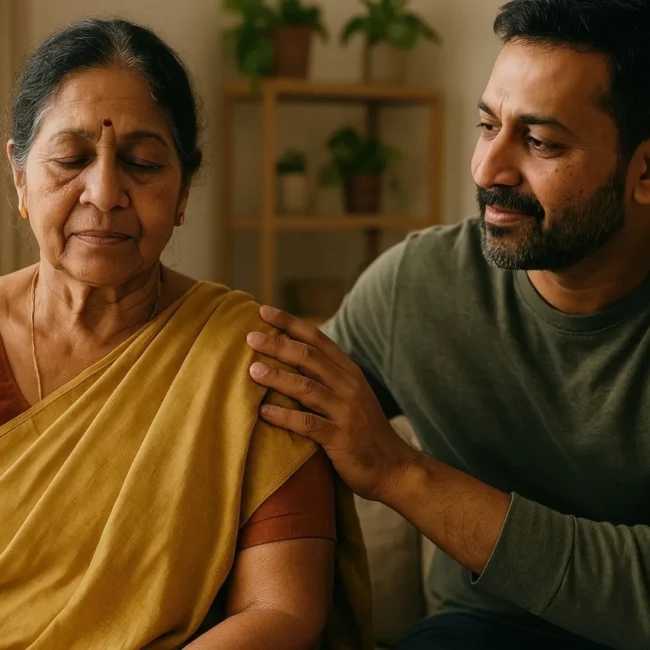
As parents grow older, the quiet question begins to surface in many families: what kind of support will keep them safe, comfortable and dignified?
The debate around old age homes vs home care Hyderabad families often face is rarely simple. It is not only about services or facilities. It is about emotion, culture, independence and practical realities. For many adult children, especially those living abroad or in different cities, this decision carries guilt, responsibility and concern in equal measure.
This guide offers a balanced comparison to help you evaluate both options thoughtfully and responsibly.
Why Families in Hyderabad Consider Elder Care Alternatives
In a city as dynamic as Hyderabad, lifestyles have changed. Nuclear families, global careers and demanding schedules often leave ageing parents with less day-to-day support.
Common situations that lead families to explore elder care options include:
- Seniors living alone after the loss of a spouse
- Increasing medical needs such as diabetes, cardiac issues or mobility limitations
- Safety concerns at home, including fall risks
- Children living abroad or in other Indian cities
- Caregiver burnout among family members managing work and caregiving
These are not failures. They are realities of modern life. The important step is recognising when additional support is necessary.
What Are Old Age Homes and Assisted Living Facilities?
Old age homes and assisted living facilities provide institutional living arrangements designed specifically for seniors who require varying levels of assistance.
Living Environment and Daily Structure
Residents typically live in shared or private rooms within a structured community setting. Daily schedules may include fixed meal times, activity hours and medication routines. The environment is supervised and designed for safety.
Medical and Support Services Available
Most facilities offer on-site staff who assist with daily activities such as bathing, dressing and medication management. Some also provide nursing supervision and access to visiting doctors.
Social Interaction Opportunities
Community living allows seniors to interact with peers, participate in group activities and reduce isolation. For individuals who enjoy social engagement, this can be beneficial.
Situations Where Old Age Homes May Be Suitable
Old age homes may be appropriate for seniors who:
- Require continuous supervision
- Have advanced cognitive decline
- Do not have a safe or supportive home environment
- Need structured daily monitoring
What Is Home Elder Care and How Does It Work?
Home elder care provides professional support within the senior’s own home. Instead of relocating, services are brought to them.
This model typically includes:
- Assistance with daily activities such as bathing, grooming and mobility
- Medical and nursing support at home
- Post-hospital recovery care
- Companionship and regular monitoring
- Flexible schedules ranging from a few hours to round-the-clock support
For families exploring broader elder care options, home-based care offers the advantage of personalised assistance without disrupting familiar surroundings.
Key Differences Between Old Age Homes and Home Care
When comparing old age homes vs home care, Hyderabad families should consider the following aspects. Our national guide on weighing the broader advantages and disadvantages of old age homes covers the emotional, practical and financial factors that apply across every city, alongside the Hyderabad-specific comparison below.
Living environment
Old age homes involve relocation to a shared facility. Home care allows seniors to remain in their own homes.
Independence level
Institutional care often follows structured routines. Home care supports independence within familiar surroundings.
Emotional comfort
Relocation can feel unsettling for some seniors. Staying at home may provide greater emotional stability.
Family involvement
Home care allows families to remain closely involved in daily decisions. Institutional settings may limit spontaneous interaction depending on the location.
Personalisation of care
Home care plans are typically tailored to the individual. Facilities may follow standardised routines.
Flexibility of services
Home care can increase or decrease support as needs change. Institutional fees are usually structured monthly.
Emotional and Cultural Considerations for Indian Families
In Hyderabad and across India, home is more than a building. It carries memories, traditions and emotional security.
Many seniors feel deeply attached to:
- Their neighbourhood and familiar surroundings
- Local temples, parks or community spaces
- Long-established routines
Relocation can sometimes create psychological stress, especially if the decision feels sudden. Families also navigate social perceptions and expectations around caring for elders at home.
It is important to remember that seeking structured support is not neglect. It is an act of responsibility.
Cost Comparison: Old Age Homes vs Home Elder Care in Hyderabad
Costs vary widely depending on services and location, but understanding the structure helps.
Old age homes
- Monthly accommodation fees
- Additional charges for personal care or medical supervision
- Fixed payment structure regardless of usage
Home elder care
- Pay for required hours or services
- Option to scale support up or down
- Potentially more flexible over the long term
For a deeper breakdown of cost considerations, families may refer to our comprehensive guide to old age home costs and in-home care pricing to understand how different care models align with financial planning.
Long-term affordability depends not only on monthly fees but also on the evolving health needs of the senior.
When Old Age Homes May Be the Right Choice
There are circumstances where institutional care is appropriate:
- Advanced dementia requiring secure supervision
- Severe mobility limitations without suitable home infrastructure
- Absence of any family or support system nearby
- Continuous medical monitoring needs
In such cases, structured facilities can provide stability and safety.
When Home Elder Care May Be the Better Option
Home care may be more suitable when:
- Seniors are emotionally attached to their home
- Assistance needs are moderate rather than intensive
- Recovery is required after hospital discharge
- Families want to stay actively involved in care decisions
Many families in Hyderabad explore local home-based services to maintain independence while ensuring safety.
Questions Families Should Ask Before Making a Decision
Before choosing between old age homes vs home care, Hyderabad families should evaluate:
- What level of medical supervision is required?
- How adaptable is the senior emotionally to relocation?
- Is the current home environment safe?
- How involved can family members realistically be?
- What are the long-term care expectations?
Taking time to assess these factors reduces regret later.
Making the Right Decision for Long-Term Well-Being
There is no universal answer. The best choice depends on health conditions, emotional comfort, financial considerations and family capacity.
For some, community living offers relief and safety. For others, remaining at home with structured support preserves dignity and peace of mind.
The goal is not simply to care. It is quality of life.
How Samarth Supports Families in Hyderabad
When families feel torn between institutional care and managing everything alone, having a trusted partner makes all the difference. Samarth provides home-based elder care across Hyderabad and cities like Bangalore, with coordinated care that families can manage from wherever they are.
Samarth Elder Care offers comprehensive home-based elder care services across Hyderabad, combining medical support, daily living assistance, emergency response and regular monitoring under one coordinated system.
For adult children living away, Samarth becomes an extended family on the ground, providing updates, structured care plans and compassionate supervision. Instead of choosing between relocation and risk, families can often create a middle path that preserves independence while ensuring safety.
True care is not about where your parents stay. It is about how secure, respected and emotionally supported they feel every day. With the right guidance, elder care planning becomes less about guilt and more about preparedness.
Conclusion: Choosing Care That Preserves Safety and Dignity
Both old age homes and home elder care aim to enhance safety and well-being. The right decision respects the senior’s preferences, addresses medical realities and supports family circumstances.
When approached thoughtfully, elder care planning becomes less about fear and more about preparedness. With careful evaluation, families can choose a path that protects independence while ensuring security and dignity in the years ahead.