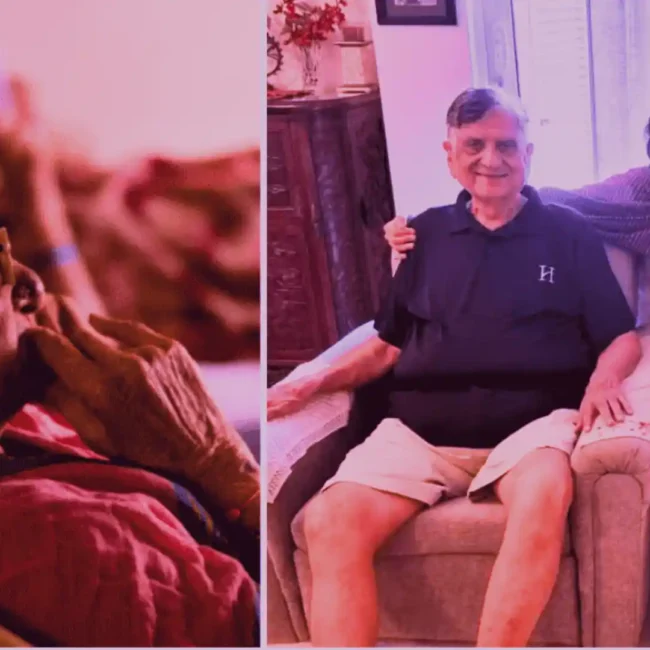
There is a particular kind of Kolkata that lives in memory. The Gariahat flat where your parents spent four decades. The para uncle at the fish market, who still asks about your board exams. The evening adda that stretched past dinner.
That Kolkata is growing older.
The children who once filled those homes now live in New Jersey, Dallas, London, or Singapore. Neighbours have changed. Familiar faces have disappeared. The para has become quieter. And your parents, who still insist everything is “perfectly fine,” are managing doctor visits, medicines, and emergencies largely on their own.
For many NRIs, the hardest part is not the distance itself. It is the uncertainty. You do not know what is happening between phone calls. You cannot notice small changes in health, mobility, or mood. You worry about what happens if something goes wrong at midnight during heavy Kolkata rain.
Elder care services in Kolkata have expanded significantly in recent years, but choosing the right support from another country can feel overwhelming. This guide explains the realities of elder care in Kolkata, the services available, costs, neighbourhood differences, and what families should know before making decisions.
Why Elder Care in Kolkata Feels Different
Kolkata’s elder care landscape is shaped by emotion as much as infrastructure.
Unlike cities such as Bangalore or Pune, Kolkata still carries strong cultural expectations around family caregiving. Many Bengali parents feel deeply uncomfortable accepting professional help because they associate caregiving with family duty, not paid support.
Adult children feel this tension too. Even bringing up the idea of a caregiver can trigger guilt.
At the same time, Kolkata has one of India’s oldest urban populations. Many elderly residents live alone after their children have moved abroad or to other Indian cities. The informal support systems that once existed through para culture are no longer as dependable as they used to be.
Earlier, neighbours checked in daily. Local shopkeepers noticed unusual absences. Family friends lived nearby.
Today, many seniors spend long hours alone.
Kolkata’s climate creates additional risks for ageing parents. Summers are intensely humid and exhausting. Power cuts during heatwaves can become dangerous for seniors with cardiac or respiratory conditions. During monsoon season, flooding can delay ambulances and make roads inaccessible for hours.
Families should also understand nearby hospital access before emergencies happen. Major hospitals frequently used for elderly care include:
- AMRI Hospitals Kolkata, West Bengal, India
- Fortis Hospital Anandapur, Kolkata, West Bengal, India
- Medica Superspecialty Hospital, Kolkata, West Bengal, India
- Belle Vue Clinic, Kolkata, West Bengal, India
- Woodlands Multispeciality Hospital, Kolkata, West Bengal, India
- RN Tagore International Institute of Cardiac Sciences, Kolkata, West Bengal, India
Knowing which hospital is closest to your parents’ home matters enormously during emergencies.
Types of Elder Care Services Available in Kolkata
Many families assume elder care only means hiring a live-in attendant. In reality, Kolkata now offers several forms of support depending on a senior’s physical, emotional, and medical needs.
Home Attendants and Daily Caregivers
This is usually the first level of support families explore.
Home attendants help with daily activities such as bathing, dressing, meals, walking support, medicine reminders, and companionship. Services may be part-time, 12-hour, or 24-hour live-in arrangements.
For Bengali seniors, language and cultural familiarity matter deeply. Caregivers who speak Bengali often make seniors feel more comfortable accepting support.
Providers offering home care support include:
- Tribeca Care, Kolkata, elder care provider
- Atri Senior Care, Kolkata, elder care provider
- The Assistance Elder Care, Kolkata elder care provider
- Anvayaa, India elder care provider
- Samarth, India elder care organization
Home Nursing and Medical Care
Parents with chronic illness often require more than basic assistance.
Trained nurses can help manage diabetes, post-surgical recovery, stroke rehabilitation, COPD, Parkinson’s disease, or cardiac conditions. They monitor vitals, administer injections, manage wound care, and coordinate with doctors.
Post-hospital recovery is especially important. Many elderly patients struggle after discharge because families underestimate how much support recovery actually requires.
NRI Coordination and Care Management
This category is specifically valuable for families living abroad.
These services act as on-ground support systems for overseas children. Care managers accompany parents to doctor appointments, coordinate emergency responses, supervise medications, arrange lab tests, and provide regular updates to family members abroad.
For NRIs dealing with constant anxiety from another country, structured communication becomes incredibly important.
Most providers offer WhatsApp updates, monthly reviews, and emergency escalation systems.
Assisted Living and Old Age Homes
Kolkata’s assisted living sector is smaller than cities like Bangalore or Chennai but continues growing steadily.
Options include government-supported homes, charitable facilities, mid-range assisted living centres, and premium senior residences.
Some families choose assisted living after repeated medical emergencies or when managing a large independent home becomes too difficult.
Popular areas for organised senior living include Salt Lake and New Town because of better roads, newer buildings, and stronger healthcare access.
Dementia and Memory Care
Dedicated dementia care remains limited across eastern India.
Families dealing with Alzheimer’s disease or significant cognitive decline should specifically ask whether staff are trained in memory care. General caregivers often lack the skills needed for wandering behaviour, confusion, aggression, or night-time disorientation.
Specialised dementia support can reduce stress for both seniors and their families.
Companionship and Social Engagement
One of the most overlooked realities of ageing in Kolkata is loneliness.
Many seniors lose close friends, neighbours, or spouses within a short period of time. Isolation affects emotional health, appetite, confidence, and even memory.
Some elder care providers now organise social gatherings, group outings, hobby sessions, and community activities for seniors. For emotionally isolated parents, companionship can become just as important as medical support.
Elder Care Costs in Kolkata (2026)
Kolkata remains more affordable than Mumbai, Delhi, or Bangalore for comparable elder care services.
Approximate monthly costs include:
| Type of Care | Monthly Cost |
| Part-time attendant | ₹10,000 – ₹18,000 |
| Full-time caregiver | ₹15,000 – ₹25,000 |
| Trained home nurse | ₹25,000 – ₹40,000 |
| 24/7 live-in care | ₹35,000 – ₹60,000 |
| NRI care coordination | ₹5,000 – ₹15,000 |
| Standard old age home | ₹15,000 – ₹45,000 |
| Premium assisted living | ₹45,000 – ₹80,000+ |
Actual costs depend on several factors:
- Caregiver experience and training
- Number of daily working hours
- Medical complexity
- Location within Kolkata
- Dementia or specialised nursing requirements
- Agency versus independent hiring
Families should also prepare for hidden expenses such as overtime during festivals, medical equipment rentals, emergency transport, and rising summer electricity costs due to air conditioning.
How Kolkata Neighbourhoods Affect Care Access
Where your parents live can significantly affect emergency response times and caregiver availability.
South Kolkata
Areas like Gariahat, Ballygunge, Alipore, and Bhowanipore have strong hospital access and established residential communities.
However, many older buildings lack lifts and have narrow staircases. Ambulance access can also become difficult during congestion or monsoon flooding.
Salt Lake and New Town
These are among the most elder-friendly parts of Kolkata.
Wider roads, newer residential complexes, modern hospitals, and better infrastructure make organised care easier here. Many assisted living projects and care providers focus heavily on this region.
North Kolkata
Neighbourhoods like Shyambazar and Shobhabazar contain many elderly residents living in heritage homes.
The challenge is infrastructure. Older homes often have steep staircases, narrow lanes, and limited accessibility. Organised elder care providers are also less concentrated here.
Howrah
Howrah presents unique logistical challenges because emergency movement often depends on bridge traffic.
During monsoon season or festival congestion, delays can become significant. Families with parents in Howrah should create especially strong emergency backup plans.
How to Choose the Right Elder Care Provider from Abroad
Distance changes how families evaluate trust.
You cannot physically monitor caregivers. You cannot easily detect subtle health changes. That means choosing the right provider becomes extremely important.
Start with an honest assessment of your parents’ actual condition.
Many seniors minimise problems because they do not want to “trouble” their children. Parents may hide falls, skip medications, avoid discussing loneliness, or underplay symptoms.
Speak to neighbours, local relatives, family doctors, or apartment staff when possible.
Questions Families Should Ask Providers
Before hiring any elder care service, ask:
- What happens during a late-night emergency?
- How quickly can caregivers be replaced?
- Which hospitals do you coordinate with?
- How often will updates be shared with family abroad?
- Is there a dedicated care manager?
- What costs are excluded from monthly fees?
- How do you handle seniors who resist caregivers?
A good provider should answer these clearly without hesitation.
Request a Trial Period
A short trial period is extremely useful.
Caregiving is personal. Even qualified caregivers may not emotionally connect well with a senior. A 30-day trial allows families to evaluate comfort, communication quality, punctuality, and reliability before making a long-term
FAQ’s
1. How much does elder care cost per month in Kolkata?
Elder care costs in Kolkata vary based on the level of support required. Part-time attendants usually cost ₹10,000–₹18,000 per month, while full-time live-in care ranges from ₹35,000–₹60,000 per month. Nursing care, dementia support, and premium assisted living services can increase costs further depending on medical needs and supervision requirements.
2. Can I arrange home care for my parents in Kolkata from the USA?
Yes. Many Kolkata elder care providers work specifically with NRI families and offer remote coordination through video consultations, WhatsApp updates, online payments, and emergency response systems. Families abroad can arrange for caregivers, nursing support, doctor visits, and regular monitoring without having to travel to Kolkata immediately.
3. Which areas in Kolkata have the best elder care access?
Salt Lake and New Town generally offer the best elder care access because of better infrastructure, wider roads, newer residential complexes, and strong hospital connectivity. South Kolkata also has excellent healthcare access, though older buildings and narrow lanes in some neighbourhoods can occasionally complicate mobility and emergency response.
4. Are there NRI-specific elder care providers in Kolkata?
Yes. Several organisations specialise in supporting overseas families managing ageing parents remotely. Providers such as Tribeca Care, Anvayaa, Samarth, and Care247 offer services including doctor coordination, emergency support, medication supervision, wellness visits, and regular communication designed specifically for NRIs living outside India.
5. What should I do during a parent’s medical emergency in Kolkata when I’m in the US?
Families should prepare before emergencies occur by identifying nearby hospitals, organising medical records digitally, and assigning a trusted local emergency contact. During a crisis, immediately contact both your care provider and local support person while maintaining direct communication with doctors, caregivers, and family members through a shared update channel.
6. How do I convince my Bengali parents to accept professional care?
Start gradually and frame caregiving as support rather than dependence. Many Bengali parents respond better to companionship, convenience, or doctor-recommended assistance instead of “professional care.” Involving them in caregiver selection and introducing small services first often helps build comfort, trust, and long-term acceptance naturally.