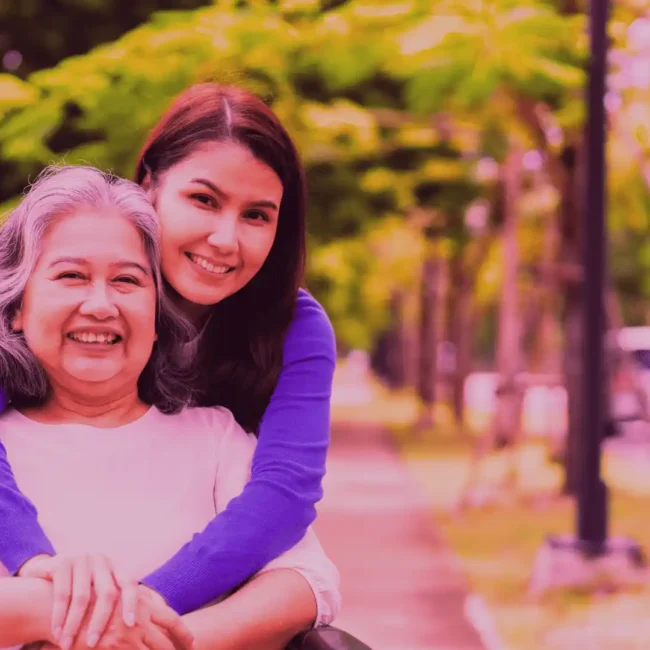
Your weekly call home probably sounds familiar.
“How are you, Ma?”
“Sab theek hai beta.”
Your father asks about work. Your mother reminds you to eat properly. They ask about the grandchildren, the weather, and whether you are sleeping enough. Somewhere between affection and reassurance, the conversation ends before the harder truths ever surface.
What they do not mention are the skipped meals because cooking feels tiring some days. The unopened medicine strips they forgot to take. The dizziness passed after sitting quietly for ten minutes. The silence in the house after the call disconnects.
Many Indian parents have mastered the art of sounding “fine.”
Not because they want to hide things from you, but because protecting their children emotionally has become a lifelong habit.
For many families, the story of NRI parents India left behind is rarely spoken about honestly. Conversations often focus on the guilt of children living abroad. But far less attention is given to the emotional reality of the parents themselves — the loneliness, hesitation, emotional adjustment, and quiet resilience that shape everyday ageing in India.
This blog explores that hidden experience and why consistent support matters more than occasional crisis management.
What Your Parents Do Not Tell You on the Sunday Call
Most Indian parents spent decades building their identity around family life.
Their schedules revolved around school timings, career sacrifices, festivals together, and everyday routines shared with children. Even after retirement, many parents continue to see caregiving and emotional support as their responsibility.
So when children move abroad, parents usually encourage it wholeheartedly.
They proudly tell relatives about your success. They reassure you that they can manage independently. They insist that you focus on your future instead of worrying about them.
But emotional transitions are rarely that simple.
Many parents of NRI India lonely do not openly speak about feeling isolated because they believe loneliness is something they should “adjust” to. They often feel grateful for their children’s opportunities while simultaneously struggling with the emotional distance that comes with them.
This creates a complicated emotional reality.
Parents may genuinely feel proud of you and deeply miss you at the same time.
Unfortunately, many families only recognise the depth of this emotional adjustment after a health scare, a fall, or a sudden emergency exposes how much their parents had quietly been handling alone.
The Emotional Reality of NRI Parents in India
Loneliness among older adults does not always look dramatic.
It often appears quietly through changing routines and shrinking worlds.
Many NRI parents alone India gradually begin reducing activities that once gave them joy:
- Evening walks become less frequent
- Social visits reduce
- Religious gatherings stop
- Small outings feel exhausting
- Hobbies disappear slowly
- Conversations become shorter
Sometimes families interpret this as “normal ageing.” But emotional isolation often plays a much larger role than people realise.
Human beings are social by nature, especially in later years when emotional connection becomes deeply important for confidence and well-being. For older adults, even small daily interactions can significantly affect mood, motivation, memory, and emotional stability.
The challenge in Indian families is that many parents were raised to tolerate discomfort quietly.
They may avoid discussing:
- Fear of falling
- Difficulty managing medications
- Anxiety at night
- Memory lapses
- Emotional loneliness
- Feelings of dependence
Instead, they say:
“Hum manage kar lenge.”
“Tum tension mat lo.”
“Sab normal hai.”
Over time, emotional suppression becomes routine.
This is often what NRI parents feel India, but struggle to express directly:
“We miss being emotionally included in everyday life.”
Not just during festivals or emergencies.
Everyday life.
The Quiet Withdrawal: Families’ Mistake for Contentment
One of the most overlooked signs of emotional struggle among older adults is withdrawal.
And withdrawal rarely announces itself loudly.
It happens gradually.
Your mother may stop attending social functions because travelling alone feels difficult.
Your father may stop calling relatives because hearing about others’ family gatherings feels emotionally painful.
They may stop mentioning health concerns because they know you are busy managing work, children, mortgages, and responsibilities abroad.
Families often mistake this silence for emotional strength.
But sometimes, silence simply means your parents have stopped expecting support.
This emotional shrinking can affect every part of life:
- Reduced physical activity
- Poor appetite
- Irregular sleep
- Lower motivation
- Anxiety
- Increased dependence during emergencies
Many ageing parents also begin emotionally minimising their own needs.
A senior who once confidently managed a household may start believing:
“I should not trouble anyone.”
“At this age, this is normal.”
“Children already have enough pressure.”
As a result, even meaningful changes in health or emotional well-being remain hidden until they become difficult to ignore.
Why Health Decisions Often Get Delayed
One of the biggest hidden risks for NRI parents India left behind is delayed healthcare.
Many seniors postpone medical decisions not because they do not care about their health, but because they do not want to worry their children living abroad.
A mild chest discomfort becomes “gas.”
Dizziness becomes “weakness.”
Persistent fatigue becomes “normal ageing.”
Without someone physically present to observe daily changes, small health issues can quietly grow more serious.
Distance creates practical challenges, too:
- Coordinating appointments remotely
- Managing hospital visits alone
- Remembering medication schedules
- Understanding medical instructions
- Handling emergencies without immediate family nearby
For NRI children, this creates constant emotional uncertainty.
You may feel stuck between two realities:
- You want to support your parents fully
- You cannot physically be present every day
This emotional tension often leads to guilt. But guilt alone does not solve the care gap. Consistent systems of support do.
What Parents Actually Need vs What They Ask For
Most ageing parents do not directly ask for emotional care.
Instead, they ask for practical help:
- Booking doctor appointments
- Arranging transportation
- Help with groceries
- Someone to accompany them outside
- Assistance in managing reports or medicines
But underneath those practical requests lies a much deeper need:
- Reliable human presence.
- Older adults do not necessarily want constant supervision.
- They want reassurance.
- They want to know someone trustworthy will notice if something changes.
- They want the emotional comfort of not facing every challenge alone.
For many seniors, emotional safety comes from small, consistent moments:
- Someone checking in regularly
- A familiar face is visiting
- Help during stressful appointments
- A person who notices changes early
- Conversation beyond formal caregiving
These things may appear small. But they profoundly shape emotional well-being.
When seniors feel emotionally supported, they are often more willing to:
- Seek medical help early
- Stay socially active
- Maintain routines
- Express concerns honestly
- Remain independent longer
Why Occasional Help Is Not Enough
Many families rely on informal support systems:
- Neighbours
- Relatives
- Domestic help
- Friends nearby
While these relationships can be valuable, they are not always consistent enough for long-term ageing support.
Neighbours may help during emergencies, but cannot monitor ongoing well-being.
Relatives may care deeply but have their own responsibilities.
Domestic staff may assist practically, but cannot provide emotional reassurance or health coordination.
This is why many seniors continue feeling emotionally alone even when people occasionally “check in.”
Ageing requires continuity.
Not just emergency support.
Consistent professional presence changes outcomes because it creates stability in everyday life.
How Consistent Professional Presence Changes Everything
The biggest difference in eldercare often comes before a crisis happens.
When seniors have regular support:
- Health concerns are noticed earlier
- Medication routines improve
- Falls and emergencies reduce
- Emotional isolation decreases
- Confidence increases
- Families receive better clarity
More importantly, older adults begin feeling emotionally safer.
They know someone reliable is available.
That emotional reassurance affects daily life in powerful ways.
Seniors become more willing to leave the house, attend appointments, follow health plans, and communicate honestly about difficulties.
For NRI children, consistent support also changes the emotional experience of caregiving.
Instead of constantly reacting to emergencies from another country, families gain:
- Better visibility into parents’ well-being
- Regular updates
- Trusted on-ground support
- Reduced panic during crises
- Greater peace of mind
Long-distance caregiving becomes more sustainable when it is shared with dependable systems of care.
The Emotional Importance of Human Connection
One of the most underestimated parts of ageing is the emotional value of companionship.
Professional support is not only about medical coordination or practical assistance.
It is also about human connection.
For many older adults, meaningful conversation itself becomes healing.
Someone asking:
“How was your day?”
“Did you sleep well?”
“Are you feeling anxious today?”
can make an enormous emotional difference.
As people age, emotional worlds often become smaller.
Children move away. Friends pass away. Mobility reduces. Social circles shrink.
That is why consistent companionship matters so deeply.
Feeling emotionally acknowledged restores dignity.
And dignity is central to healthy ageing.
How Samarth Supports NRI Families
At Samarth Elder Care, care is designed around both practical support and emotional well-being.
The focus is not simply on managing emergencies.
It is creating a dependable, compassionate presence in seniors’ everyday lives.
For families living abroad, Samarth supports ageing parents through:
- Regular wellness monitoring
- Doctor coordination
- Emergency assistance
- Medication support
- Daily living assistance
- Emotional companionship
- Preventive health tracking
- Ongoing communication with families
Most importantly, support is personalised around dignity and independence.
Older adults are not treated like passive patients.
They are supported as individuals with emotional needs, routines, preferences, and pride.
For children living overseas, this creates something invaluable:
- The reassurance that someone trustworthy is consistently present when they cannot be there physically.
- That reassurance changes family relationships too.
- Calls become less dominated by anxiety and emergencies.
- Parents feel safer.
- Children feel more connected instead of constantly worried.
And caregiving becomes more proactive, compassionate, and sustainable.
Give Your Parents the Presence They Deserve
Being far away does not mean loving your parents any less.
Distance is not the problem.
Silence is.
Many parents will never openly say they feel lonely. They may never directly ask for support. They may continue protecting you emotionally long after they themselves need care and reassurance.
But ageing should not feel like emotional abandonment.
And independence should not mean handling everything alone.
The goal is not to replace family.
It is to ensure your parents feel supported, noticed, and emotionally connected in everyday life.
Because sometimes the greatest gift you can give ageing parents is not a yearly visit or expensive gesture.
It is a dependable presence.
The kind that notices the small changes.
The kind that listens carefully.
The kind that quietly reminds them:
“You are not alone.”
And for many families navigating the reality of NRI parents India left behind, that presence changes everything.