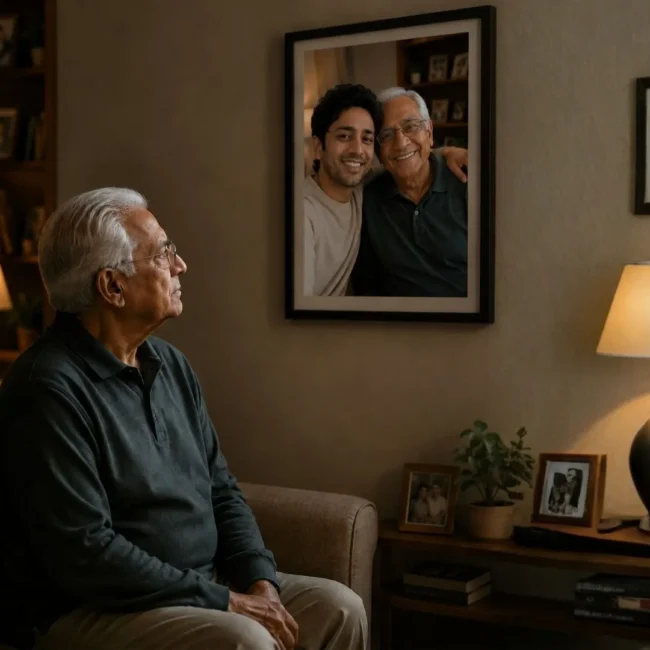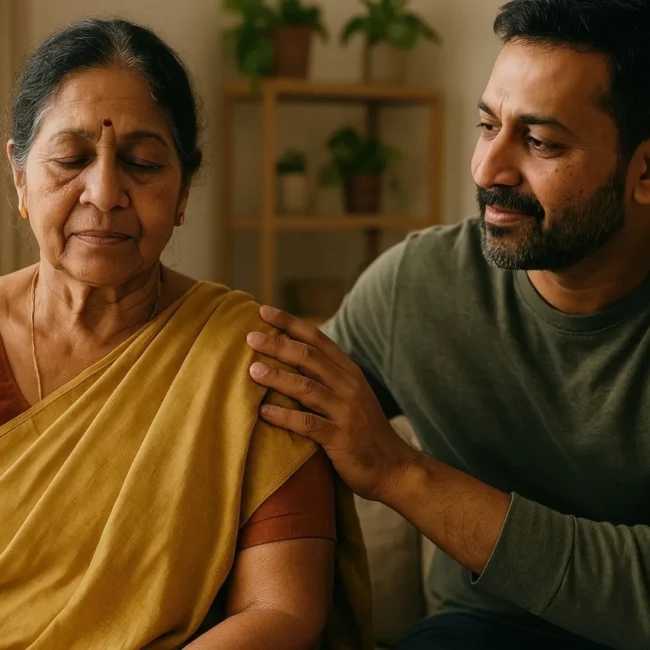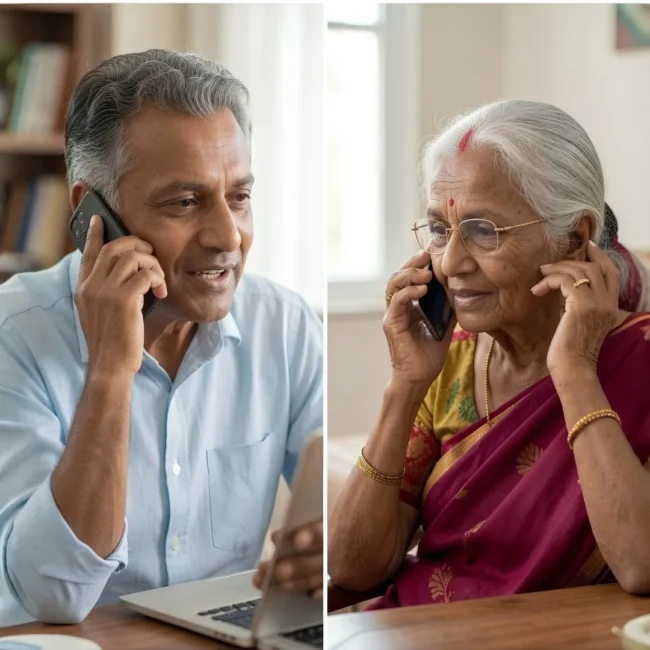
Good elder care does not begin in the hospital.
It begins much earlier. At the dining table, in the kitchen, and inside the everyday routines that quietly shape health, energy, and emotional well-being.
Many NRI families naturally focus on emergencies. They think about hospital access, doctor consultations, falls, or sudden health scares. But long before emergencies happen, smaller signs of decline usually begin appearing inside the home.
Meals become irregular. Cooking starts feeling tiring. Groceries are skipped. Hydration reduces. Household chores become physically exhausting.
Slowly, ageing parents begin adjusting their lives around fatigue instead of comfort.
For many families, this hidden daily gap becomes one of the most overlooked parts of eldercare. This is why meal support elderly parents India NRI families is not simply about convenience. It is about preserving health, dignity, safety, and independence through everyday support.
Good Care Starts at the Dining Table
As parents age, nutrition becomes far more important than many families realise.
Food is no longer only about appetite or tradition. It directly affects energy levels, muscle strength, immunity, recovery after illness, emotional well-being, and even confidence in daily life.
Yet many seniors continue eating the same way they did decades earlier, even though their bodies now have very different nutritional needs.
For children living abroad, this challenge is difficult to monitor remotely. During calls, parents may casually say:
“Humne kha liya.”
“Sab normal hai.”
“Cook aa jaati hai.”
But eating “something” is not the same as eating well consistently.
Many ageing parents gradually simplify meals because cooking feels physically tiring. Others lose interest in preparing balanced food when living alone. Some avoid protein-rich foods due to digestion concerns or long-held dietary habits.
Over time, poor nutrition quietly contributes to weakness, fatigue, slower recovery, and increased health risks.
How Nutritional Needs Change After 70
After the age of 70, the body changes significantly. Appetite may reduce, but nutritional needs often increase.
Older adults require more protein to maintain muscle strength, better hydration, and nutrient-rich meals that support immunity, bone health, digestion, and energy.
At the same time, many seniors experience reduced appetite, medication-related digestion issues, fatigue while cooking, or difficulty standing in the kitchen for long periods.
This makes structured elderly meal preparation India families increasingly important.
Unfortunately, many Indian households still follow outdated assumptions such as:
- Older people should eat very little
- Light food automatically means healthy food
- Protein-rich foods are difficult for seniors
- Tea and biscuits are enough for breakfast
Over time, these habits can contribute to muscle loss, weakness, poor immunity, low energy, and increased fall risk.
Nutrition in older age is not about restrictive diets. It is about helping seniors stay stronger, steadier, and more independent.
Common Meal Mistakes in Indian Elderly Households
Many ageing parents unintentionally develop food habits that negatively affect their health over time.
Some skip meals because they no longer feel hungry. Others rely heavily on rice, rotis, or tea while eating very little protein. Some repeatedly reheat food instead of preparing fresh meals. Others avoid drinking enough water because they do not want frequent bathroom visits.
These patterns are especially common among seniors living alone.
Cooking for one person often feels emotionally and physically exhausting. Some parents stop preparing proper meals entirely because the effort no longer feels worthwhile.
Others rely heavily on domestic cooks who prepare food based on routine rather than senior nutritional needs.
Even when meals are available, they may not be balanced for ageing bodies. Excess oil may worsen digestion. Too little protein reduces muscle strength. High salt intake can affect blood pressure.
Families often notice the impact only after visible decline appears:
- Sudden weakness
- Weight loss
- Frequent fatigue
- Poor immunity
- Reduced mobility
- Repeated hospital visits
By then, nutritional gaps may already have been affecting health for months.
Why Domestic Cooks Are Not the Same as Care-Aware Meal Support
One of the biggest misconceptions in eldercare is assuming that having a cook automatically solves nutritional concerns.
Cooking and care-aware meal support are not the same thing.
A regular domestic cook may prepare meals efficiently, but may not understand elderly nutritional requirements or notice important changes in appetite, hydration, or eating habits.
Many seniors also avoid “troubling” household staff with special requests. As a result, meals become repetitive, nutritionally limited, or based entirely on convenience.
Care-aware meal support looks beyond cooking alone.
It considers medical conditions, digestion, protein intake, meal timing, hydration, and emotional well-being around food.
Older adults often need encouragement and monitoring, not just prepared meals.
This matters because food in later life is deeply connected to emotional health too. Eating alone every day can gradually reduce appetite and motivation around meals.
Household Tasks Become More Hazardous With Age
Nutrition is only one part of the daily support gap.
The home environment itself often becomes physically demanding as parents age.
Tasks that once felt simple gradually become risky:
- Climbing stools to reach shelves
- Carrying grocery bags
- Bending repeatedly while cleaning
- Managing wet bathroom floors
- Lifting laundry
- Standing for long periods while cooking
Many seniors continue doing these tasks independently because they value self-reliance.
But physical strength, balance, vision, and reflexes naturally change with age. This increases the risk of falls, fatigue, burns, joint strain, and injuries inside the home.
For NRI children, these risks are difficult to observe remotely. Parents rarely mention near-falls or small accidents because they do not want to create worry.
Sometimes, seniors quietly stop doing certain tasks altogether. Deep cleaning becomes difficult. Grocery shopping has reduced. Kitchen routines become simpler and less healthy.
Over time, this affects both physical and emotional well-being.
The Emotional Weight of Managing a Home Alone
Many ageing parents are not only managing health concerns, but also They are managing entire households alone.
Cooking, cleaning, groceries, medicines, bills, repairs, appointments, and household maintenance continue even in old age.
Even when physically possible, constantly handling these responsibilities can become emotionally exhausting.
Many seniors never openly say:
“I am struggling.”
Instead, they simply become quieter, more tired, and less socially active.
What families often interpret as “slowing down with age” may actually be exhaustion from trying to manage everything independently.
This is especially true after the loss of a spouse or when one partner becomes unwell.
The emotional pressure of maintaining a home alone can significantly affect confidence, mood, and overall quality of life.
What a Structured Household Support Plan Covers
A thoughtful household support plan is not about taking away independence.
It is about reducing unnecessary physical strain so seniors can focus on living comfortably and safely.
Structured household help senior citizens India NRI families may include meal preparation, grocery coordination, hydration monitoring, laundry assistance, kitchen safety support, medication reminders, home organisation, and wellness check-ins.
The goal is not to make seniors dependent.
The goal is to help them remain independent for longer with the right level of support.
Good support systems are proactive rather than reactive. Instead of waiting for crises, they identify daily challenges early.
This helps seniors preserve energy, maintain routines, stay emotionally engaged, and feel safer at home.
For NRI children, structured support also reduces constant uncertainty.
You no longer have to wonder daily:
“Are they eating properly?”
“Did they take their medicines?”
“Are they managing safely today?”
That peace of mind matters deeply when caring from another country.
How Samarth Integrates Nutrition and Household Support Into Care
At Samarth Elder Care, eldercare is approached holistically.
Support is not limited to emergencies or medical situations. Everyday well-being matters equally.
For ageing parents, nutrition, hydration, household safety, and emotional comfort are deeply connected. Small gaps in daily support often become the first visible signs of decline.
Samarth helps families address these challenges through nutrition-focused meal support, wellness monitoring, medication coordination, daily living assistance, household support, and emotional companionship.
Care is personalised around each senior’s health conditions, preferences, routines, and comfort levels.
Most importantly, support is designed to preserve dignity and independence.
Older adults are encouraged to remain active participants in their own lives while receiving practical assistance where needed.
For children living abroad, this creates reassurance that their parents are not handling every challenge alone.
Because meaningful eldercare is not only about responding to emergencies.
It is about improving the quality of everyday life.
Set Up Nutrition and Household Support Before Problems Escalate
The earliest signs of ageing challenges often appear quietly.
An empty fridge. Skipped meals. Fatigue after household chores. Less energy to cook. More dependence on convenience foods.
These moments may seem small individually, but together they shape long-term health, safety, and emotional well-being.
For many families, better eldercare begins not with hospitals or emergencies, but with recognising the importance of everyday support.
Good nutrition helps seniors stay stronger, steadier, and more independent.
Safe household support reduces physical strain and emotional exhaustion.
And consistent human presence helps ageing parents feel cared for, comfortable, and emotionally secure.
Because growing older with dignity is not only about medical care.
It is also about having the right support for everyday living.