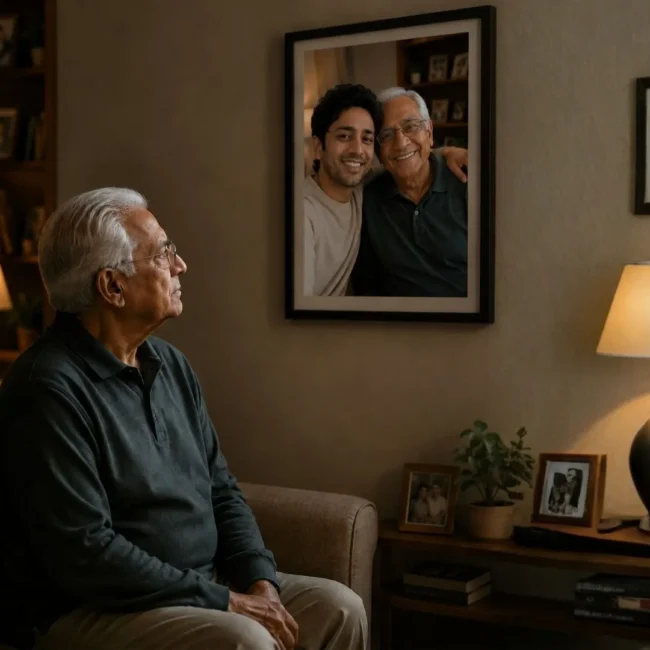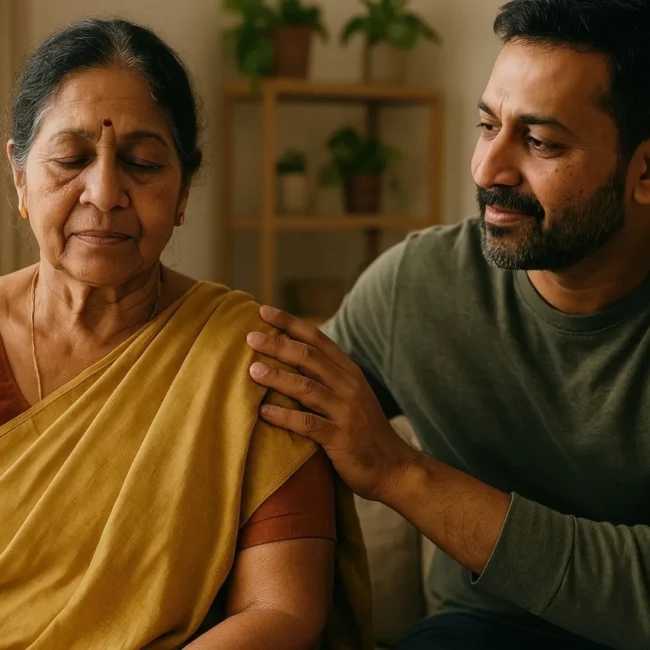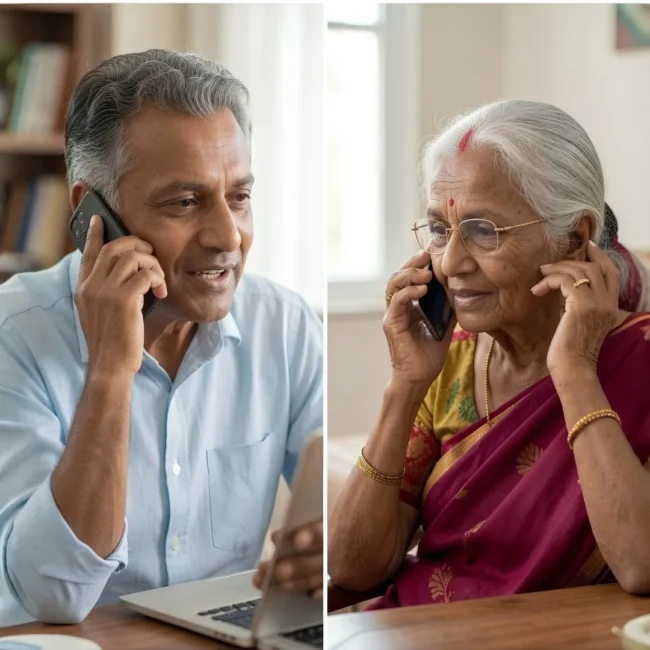
The para has grown quieter. The children who grew up in those South Kolkata flats are now in New Jersey or Houston or London. Your parents still live in the same house, insisting everything is perfectly fine. But the trusted help who came for fifteen years left last year. The monsoon floods the lane every July. And last week Papa mentioned, almost as an aside, that he had a small fall near the bathroom. If you are looking for reliable elder care in Kolkata for NRI families, this guide covers what services exist, what they cost in 2026, and how to set up a care arrangement you can trust from abroad.
Why Kolkata Presents Unique Challenges for Ageing Parents
Kolkata is a city of deep cultural ties and strong Bengali family identity. For most Bengali parents, the idea of outside caregiving feels uncomfortable, even faintly shameful. Accepting help from someone outside the family is not simply a practical decision. It carries emotional weight that their children in the US often underestimate.
The city also presents specific environmental challenges that directly affect elderly safety. Monsoon flooding regularly delays ambulances and makes roads inaccessible for hours in many neighbourhoods. Summer temperatures combined with frequent power cuts create genuinely dangerous conditions for seniors with cardiac or respiratory conditions.
By 2026, elderly residents aged 60 and above are projected to make up 17 per cent of West Bengal’s population. The supply of qualified geriatric specialists and verified caregivers has not kept pace with that demand. Government support structures for ageing residents remain limited across Kolkata and West Bengal.
NRI parents in Kolkata tend to live in areas including Ballygunge, Salt Lake, Alipore, Bhowanipore, Jadavpur, New Town, Park Street, and Gariahat. Each of these neighbourhoods presents its own combination of infrastructure quality, hospital access, and caregiver availability that families should factor into their planning when arranging elder care in Kolkata for NRI families.
The Real Emotional Challenges NRIs in the US Face
Bengali family culture carries a strong expectation that children provide care directly. This means both the parent and the NRI child feel the weight of outside help as a cultural admission of absence. Your parents say they are managing. They say do not worry. You believe them just enough to feel less guilty, and not quite enough to stop worrying.
The 10.5-hour time difference means their emergencies arrive in the middle of your night. The trusted domestic help who was reliable for years is gone, and replacements are harder to find and harder to verify from abroad. Limited paid leave, visa constraints, children in school, and work deadlines make extended visits difficult to plan and even harder to extend when something goes wrong.
For families navigating NRI parent care Kolkata from thousands of miles away, the gap between knowing something needs to change and knowing how to change it is where most of the anxiety lives. The para is quieter now. The distance between you feels longer than the flight.
Types of Elder Care Services Available in Kolkata
Home Care and Attendant Services
Home care attendants provide daily personal care, mobility support, meal preparation, and hygiene assistance. Arrangements are available in part-time, 12-hour, or 24-hour live-in formats depending on the level of need.
For Bengali seniors, language and cultural familiarity matter deeply. Bengali-speaking caregivers are strongly preferred and should be specifically requested. NRI families should also be aware that caregiver availability tightens during Durga Puja and other major festivals, which can disrupt continuity of home care services for elderly in Kolkata. Planning for festival-period backup arrangements is an often-overlooked but important part of setting up care from abroad.
Home Nursing and Post-Hospitalisation Care
Qualified nurses, including ANM, GNM, and B.Sc. Nursing graduates, provide wound dressing, medication management, vital monitoring, and post-surgery recovery support at home.
Major Kolkata hospitals that frequently discharge elderly patients include AMRI Hospitals in Dhakuria and Salt Lake, Fortis Hospital Anandapur, Apollo Gleneagles on Canal Circular Road, and Ruby General Hospital. When a parent is discharged from any of these without the NRI child present, professional home nursing fills the clinical gap between hospital discharge and stable recovery at home.
Assisted Living and Senior Living Communities
Kolkata’s assisted living sector is smaller than Bangalore or Chennai but has grown steadily in recent years. Basic residential care costs range from Rs 8,000 to Rs 25,000 per month. Premium facilities range from Rs 35,000 to Rs 60,000 per month, with security deposits of Rs 25 to Rs 45 lakh for top-tier homes.
Salt Lake and New Town offer the best access to elder care services due to stronger infrastructure and hospital connectivity. Established senior living Kolkata providers include Shibasram Trust in Santoshpur, well regarded for Bengali cultural sensitivity and dementia care; Shantineer, which operates 18 branches including Salt Lake, New Town, and Kasba; Aumorto near Baruipur, specifically designed for NRI Bengali families; and Peace Senior Living. For families comparing senior living Kolkata options from abroad, requesting a video walkthrough before committing to any deposit is strongly recommended.
Dementia and Memory Care
Dedicated dementia care remains limited across eastern India compared to other metros. This is an important gap that NRI families should understand clearly when planning, particularly if early cognitive decline is only becoming visible during annual visits.
Shibasram Trust in Santoshpur is one of the most established providers for dementia and Alzheimer’s care in Kolkata. Before choosing any care model for a parent showing signs of cognitive change, a formal geriatric assessment is an essential first step rather than an optional one.
Managed Care and Coordination Services for NRI Families
Managed care services are a distinct category from attendant placement or nursing agencies. They are designed specifically for families who cannot be present on the ground and need more than a caregiver placed in the home.
Samarth and Tribeca Care both operate in this space in Kolkata. A dedicated Care Counsellor visits regularly, coordinates medical appointments, manages medications, and sends structured updates to the family abroad. Samarth operates across all major Kolkata localities including Salt Lake, Park Street, Howrah, Ballygunge, Jadavpur, New Town, Gariahat, Kalighat, and Behala. Tribeca Care specialises in NRI families and provides real-time updates via WhatsApp and email with emergency hospital coordination included.
This is not an ayah agency or a nursing placement service. It is ongoing elder care in Kolkata for NRI families with a named person accountable to the family throughout.
Real Cost of Elder Care in Kolkata (2026 Pricing)
Kolkata offers good value compared to Mumbai or Delhi, but costs have risen steadily. NRI families should budget realistically based on the level of care needed.
Part-time attendant: Rs 10,000 to Rs 18,000 per month. Full-time live-in care: Rs 35,000 to Rs 60,000 per month. Qualified home nurse on a 12-hour shift: Rs 22,000 to Rs 38,000 per month. Standard assisted living: Rs 8,000 to Rs 25,000 per month. Premium assisted living: Rs 35,000 to Rs 60,000 per month with a one-time security deposit. Managed NRI care coordination: Rs 8,000 to Rs 15,000 per month above direct care costs.
Variation in cost is driven by caregiver training and qualification level, agency versus independent hire, location within Kolkata, and the medical complexity of the care required. Alipore, Ballygunge, Salt Lake, and New Town carry a slight premium over outer areas.
For NRI parent care Kolkata arrangements set up remotely, families should review contracts carefully for hidden charges. Common additions include setup fees, caregiver replacement charges, and festival period surcharges that are not always disclosed upfront. Understanding the full cost structure before signing is one of the most important steps in managing parents care from abroad Kolkata effectively.
How to Choose the Right Elder Care Provider in Kolkata from the US
Start by assessing the actual need clearly: is it medical, practical, social, or a combination? The answer determines which category of service is appropriate and prevents overpaying for care the parent does not yet need, or underproviding for care they do.
Verify caregivers remotely before committing. Request police verification documentation, confirm agency registration, and ask specifically for references from other NRI families. For any assisted living community, request a video walkthrough before making a deposit.
Review contracts thoroughly. Check cancellation terms, substitution and backup policy during festivals and caregiver illness, billing transparency, emergency escalation protocol, and any charges not included in the headline monthly fee.
Set up remote monitoring from day one: structured written updates at an agreed frequency, weekly video calls with the caregiver or care manager, and a platform such as the Samarth Care App where applicable.
Red flags to watch for: cash-only payment requirements, no written contract, no dedicated single point of contact, pressure for a large advance payment, and any restriction on family access to the parent or the home.
Questions to Ask Every Kolkata Provider Before Hiring
What are the caregiver’s medical qualifications and credentials? What is the backup policy when the caregiver is absent, including during Durga Puja and other major festivals? Does the agency have specific experience with NRI families? Are Bengali-speaking caregivers available? What international payment options are accepted? What is the emergency protocol for hospital escalation? How often and in what format will the family receive updates? Is there a single named point of contact or a rotating team?
How to Involve Your Parents in the Decision
Bengali parents often resist outside help strongly, viewing it as evidence that the family has failed or that the child has chosen distance over duty. This cultural weight is real and should not be minimised or argued away.
Approaches that tend to work better: frame the arrangement as companionship or medical support rather than care, involve a trusted family elder or the family doctor in the conversation rather than presenting it as a unilateral decision, start with part-time help and allow trust to build gradually, and let your parent meet and approve the caregiver before any arrangement is confirmed. A parent who feels consulted rather than managed is significantly more likely to accept the support.
Conclusion
Caring for parents in Kolkata from the US carries a particular emotional weight in Bengali families, where presence and proximity have always been the clearest expressions of love. Geography has made that kind of presence impossible. That does not make the love less real, or the care less meaningful.
Professional elder care in Kolkata for NRI families does not replace the family’s presence. It creates a trusted support system that holds your parents well during the long stretches when you cannot be there. Samarth works with NRI families across Kolkata to build exactly that: verified caregivers, on-ground coordination, and structured updates that keep you informed and your parents genuinely supported.
The para may be quieter now. But your parents do not have to face it alone.
Frequently Asked Questions
How much does elder care cost per month in Kolkata for NRI families?
Costs in 2026 range from Rs 10,000 per month for part-time attendant support to Rs 60,000 per month for full-time live-in care or premium assisted living. Managed care coordination adds Rs 8,000 to Rs 15,000 per month above direct care costs. Premium assisted living communities in Salt Lake and New Town require a one-time security deposit of Rs 25 to Rs 45 lakh. Families researching elder care in Kolkata for NRI families will find costs are competitive compared to other Indian metros, though hidden charges remain a common issue worth investigating before signing any contract.
How do I hire a trustworthy caregiver in Kolkata from the US?
Request police verification documentation and confirm agency registration before committing. Ask specifically for references from other NRI families, as their experience managing home care services for elderly in Kolkata from abroad is the most relevant benchmark. Review the contract carefully for hidden charges, festival surcharges, and caregiver replacement terms. Arrange a video introduction with the caregiver before they begin. A managed care service with a dedicated on-ground coordinator removes much of this verification burden and provides an accountable point of contact throughout the arrangement.
How does monsoon season affect elder care in Kolkata?
Monsoon flooding between June and September regularly makes roads in many Kolkata neighbourhoods inaccessible for hours at a time. This can delay ambulance response, prevent caregiver access, and disrupt medical appointments. NRI families should ensure any care arrangement includes a clear monsoon contingency plan: a named backup caregiver who lives nearby, a hospital contact reachable by phone, and a communication protocol that does not depend on the caregiver being able to travel. Families with parents in low-lying areas of South Kolkata should treat monsoon planning as a non-negotiable part of their overall care arrangement.
Can I pay Kolkata elder care providers from my US bank account?
Most established agencies and managed care services accept international wire transfers, and some accept payment through platforms such as Wise or Instarem that reduce transfer fees. Confirm accepted payment methods explicitly before signing any contract. Avoid any provider that insists on cash-only payment or requests advance payment of more than one month without a written contract in place. Managing parents’ care from abroad in Kolkata is significantly easier when payment arrangements are transparent, documented, and do not require a local family member to act as an intermediary.