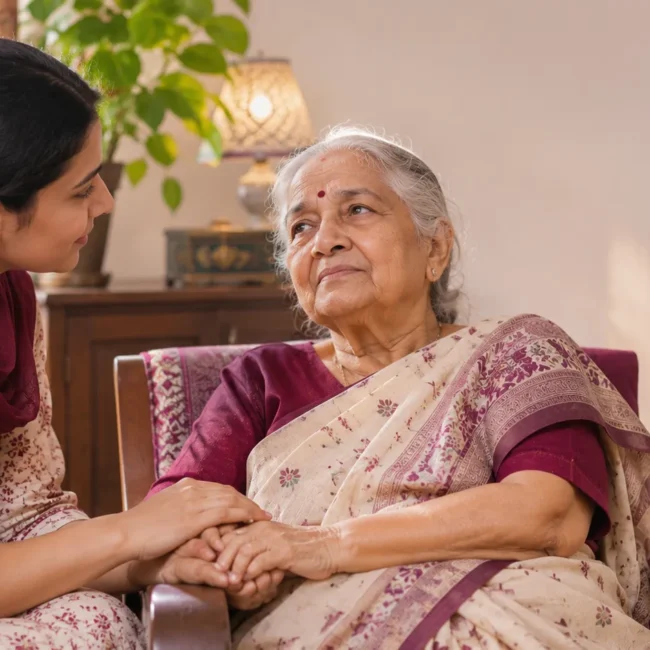
Living away from your parents often means relying on phone calls and occasional visits to understand how they are doing. You ask about their health, daily routine, and the people helping them at home. Most days, everything seems fine. But what if something is happening that they are not comfortable telling you?
Many older adults hesitate to speak about mistreatment because they fear being judged, becoming dependent on others, or upsetting their families. This makes elder abuse a concern that deserves more attention, especially when families are not physically present.
What is World Elder Abuse Awareness Day?
World Elder Abuse Awareness Day is observed every year on 15 June. It is a United Nations-recognised international observance that raises awareness about the abuse, neglect and exploitation experienced by older people.
The day is about more than acknowledging that elder abuse exists. It encourages families, communities, organisations and governments to recognise mistreatment, speak openly about it and create safer environments for older adults.
Elder abuse can happen at home, in care facilities or within the community. It may involve someone the older person knows and trusts, which can make it particularly difficult to identify or report.
The observance also reinforces an important message: growing older should never mean losing the right to make decisions, manage personal finances, receive respectful care or live with dignity.
How World Elder Abuse Awareness Day Began?
The International Network for the Prevention of Elder Abuse (INPEA) first initiated World Elder Abuse Awareness Day in 2006.
Recognising the need for greater international attention, the United Nations General Assembly formally recognised 15 June as World Elder Abuse Awareness Day in 2011, through Resolution A/RES/66/127.
Since then, the day has provided an opportunity for governments, organisations, healthcare professionals and communities to discuss elder abuse and encourage action to prevent it.
The observance also supports the wider effort to protect the rights of older people and ensure that they can live without fear, neglect or exploitation.
What is the Theme of World Elder Abuse Awareness Day 2026?
The United Nations theme for World Elder Abuse Awareness Day 2026 is:
“Beyond Awareness: Making Elder Abuse Prevention Work.”
The theme highlights an important gap. Knowing that elder abuse happens is not enough. Families and communities must also know how to recognise it, respond to concerns, and make support accessible to older people.
It also draws attention to the connection between ageing and disability. As more people live longer, some develop disabilities later in life, while others grow older with existing disabilities. This makes accessible care, community support and better coordination between ageing and disability services increasingly important.
For families, the message is simple: awareness should lead to action. Regular conversations, trusted local support, proper caregiver supervision and accessible reporting channels can all contribute to safer environments for older adults.
Why Elder Abuse Awareness Matters in India?
In India, many older adults continue to live independently while their children move to other cities or countries for work and family responsibilities. Although living independently can help parents maintain their freedom, it can sometimes make it harder for families to notice changes in their well-being.
According to the Longitudinal Ageing Study in India (LASI), 5.2% of older adults surveyed had experienced abuse in the previous year, while 3% reported abuse within their own households. Verbal abuse or disrespect was the most commonly reported form.
A separate HelpAge India report released in 2024, based on a survey of 5,169 older adults across 20 cities in 10 states, found that 7% of respondents reported experiencing abuse. Another 5% declined to answer.
These figures come from different studies with different samples and methods, so they should not be treated as directly comparable. However, both point towards the need for greater awareness and support.
Abuse may go unnoticed because older people are sometimes reluctant to speak about it. They may fear losing their support system, upsetting family members or being treated differently.
For NRI families, regular communication and a reliable local support system can help identify concerns earlier.
To understand the different forms of mistreatment, warning signs and ways to respond, read our detailed guide on Elder Abuse: Recognition, Prevention and Response.
How Can Families Raise Awareness About Elder Abuse?
You do not need to organise a large event to observe World Elder Abuse Awareness Day. Small, thoughtful actions can help older people feel heard, respected and supported.
Here are a few ways families can participate:
- Have an Honest Conversation With Your Parents: Ask how they are feeling and whether they are comfortable with the support they receive at home. Give them time to speak without interrupting or judging.
- Check On Elderly Neighbours: Regular visits or conversations can help older neighbours feel connected. If something seems concerning, offer support and help them reach an appropriate service.
- Save Important Helpline Numbers: Keep senior citizen helplines, local police contacts, and emergency numbers accessible on your parents’ phones.
- Discuss Financial Safety: Talk about common financial risks, including sharing OTPs, bank details, or passwords with unknown people. Encourage parents to check unfamiliar transactions and seek advice before making significant financial decisions.
- Stay Involved in Their Daily Care: If your parents have domestic help or a caregiver, check whether they are comfortable with the arrangement and whether their needs are being met.
The idea is not to make older people feel monitored. It is to make sure they know they can speak openly and ask for help whenever they need it.
What are the Activities and Poster Ideas for Elder Abuse Awareness Day
Schools, residential welfare associations (RWAs), workplaces and community groups can use this day to start meaningful conversations about elder abuse.
Some simple activities include:
- Awareness Talks: Invite a social worker, healthcare professional, or elder-care expert to discuss the signs of elder abuse and ways to prevent it.
- Poster-Making Competitions: Encourage students to create posters around themes such as Respect Every Age, Ageing with Dignity, or Protect Their Rights, Respect Their Choices.
- Community Discussions: Organise small gatherings where older residents can share their concerns and learn about available support services.
- Purple-Ribbon Awareness Activity: Communities can use a purple ribbon as a symbolic awareness initiative and share messages about respecting and protecting older adults.
- Workplace Awareness Sessions: Encourage employees to discuss the challenges of caring for ageing parents, particularly when family members live in different cities or countries.
A World Elder Abuse Awareness Day poster can carry a simple message such as “Growing Older Should Never Mean Losing Your Voice.” The message should be easy to understand and encourage people to treat older adults with respect.
How Samarth Helps Families to Keep Parents Safe?
For families living away from their ageing parents, knowing that someone reliable is available locally can make a difference. Samarth supports families through trained Care Managers, verified caregivers, regular supervision and communication with family members. Its care team is trained to recognise concerns around elder abuse and understand when a situation needs attention. Through regular check-ins, caregiver oversight and family updates, Samarth helps create greater visibility and accountability in everyday care.
The aim is to ensure that older adults receive support while retaining their independence, choices and dignity.
If you are concerned about your parents’ safety or the quality of care they receive, you can connect with Samarth through Care Connect to understand the support available.
Frequently Asked Questions
1. What are the three R’s of elder abuse?
The three R’s are commonly described as Recognise, Respond and Report. Recognise the warning signs, respond by checking on the older person and ensuring their safety, and report suspected abuse to the appropriate authorities or support services.
2. What is the theme for the International Day of Older Persons this year?
The 2026 theme is “The Age of Longevity: Rethinking Systems for Longer Lives.” Observed on 1 October, this United Nations day focuses on how societies can support longer, healthier, and more dignified lives.
3. Is World Elder Abuse Awareness Day observed in India?
Yes. World Elder Abuse Awareness Day is observed in India on 15 June. Organisations, communities and elder-care groups use the day to raise awareness about elder abuse, promote the rights of older people and encourage preventive action.