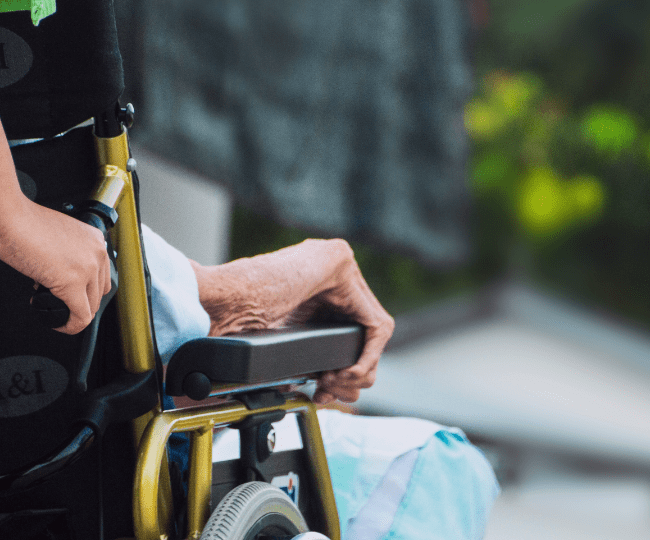
As families in Bangalore increasingly choose home-based elder care over institutional care, one question arises repeatedly: Home Attendant vs Nursing Attendant; which one is right for your parents? While both roles are essential in supporting older adults at home, they are not interchangeable. Each serves a distinct purpose based on the senior’s health condition, mobility level, and medical needs.
Understanding the difference between a home attendant vs nursing assistant in Bangalore is crucial. Choosing the wrong type of caregiver may either leave medical needs unmet or result in unnecessary costs for clinical care when basic support would suffice. This guide clearly explains the home health aide vs nursing aide differences, helping families make informed, confident decisions for their loved ones.
Who Is a Home Attendant?
A home attendant (also referred to as a Home Health Aide or HHA) focuses on non-medical, day-to-day support for seniors who need assistance but do not require continuous medical supervision.
Key Responsibilities of a Home Attendant in Bangalore
A home attendant typically helps with:
- Bathing, grooming, and personal hygiene
- Dressing and toileting assistance
- Feeding and meal support
- Mobility assistance, including walking and transfers
- Light exercises as advised by family or therapists
- Companionship and emotional support
- Basic observation of routine changes, such as appetite, sleep, or mood
Their role centres on comfort, dignity, and daily functioning, enabling seniors to live safely at home.
When Is a Home Attendant Suitable?
A home attendant is ideal for:
- Seniors with limited mobility but stable health
- Elders living alone who need daily assistance
- Older adults with early-stage cognitive decline
- Families seeking support for routine care and supervision
In the Certified Nursing Assistant (CNA) vs Home Health Aide (HHA) comparison, a home attendant aligns closely with the HHA role, focusing on supportive rather than clinical care.
Who Is a Nursing Attendant?
A nursing attendant (often aligned with the role of a Nursing Assistant or CNA) provides medically guided care under the supervision of a doctor or registered nurse.
Key Responsibilities of a Nursing Attendant
Nursing attendants may assist with:
- Monitoring vital signs such as blood pressure, pulse, and oxygen levels
- Wound care and dressing changes
- Catheter and stoma care
- Assisting with injections or medications (if trained and authorised)
- Post-surgery recovery care
- Supporting seniors with chronic illnesses such as diabetes, stroke, or Parkinson’s
- Following clinical instructions prescribed by healthcare professionals
This role involves medical knowledge and structured training, distinguishing it clearly in the difference between CNA and HHA discussion.
When Is a Nursing Attendant Necessary?
A nursing attendant is recommended when:
- The senior has complex medical conditions
- Post-hospitalisation recovery is ongoing
- Continuous health monitoring is required
- Doctor-prescribed procedures must be followed at home
Role of Home Care Attendant vs Nursing Attendant in Bangalore
Understanding how these roles differ in practice helps families avoid confusion.
| Aspect | Home Attendant | Nursing Attendant |
| Primary Focus | Daily living and comfort | Medical and clinical care |
| Training | Basic caregiving skills | Formal medical or nursing training |
| Medical Tasks | Not permitted | Permitted under guidance |
| Ideal For | Stable seniors | Seniors with medical needs |
In Bangalore, families often combine both roles depending on the elder’s condition. For example, a nursing attendant may handle clinical care during recovery, while a home attendant supports daily routines once the condition stabilises.
Similarities Between Home Attendant and Nursing Attendant
Despite their differences, both caregivers share important goals:
- Supporting seniors to remain at home safely
- Assisting with routine activities
- Ensuring dignity, comfort, and respect
- Reducing stress for family caregivers
- Improving the overall quality of life
Both roles are integral to holistic elder care, and both require empathy, patience, and reliability.
Key Differences: Home Attendant vs Nursing Attendant
To clearly understand the home health aide vs nursing aide differences, consider the following:
Training and Expertise
- Home Attendant: Trained in personal care, mobility support, and basic observation
- Nursing Attendant: Trained in clinical procedures and medical protocols
Scope of Duties
- Home Attendant: Non-medical support only
- Nursing Attendant: Performs medically related tasks as prescribed
Cost Consideration
- Home attendants are generally more affordable
- Nursing attendants incur higher costs due to specialised skills
Decision Impact
Choosing the wrong caregiver can result in:
- Missed medical warning signs
- Overpaying for unnecessary clinical care
- Increased risk to senior safety
Understanding the difference between a home attendant vs nursing assistant in Bangalore ensures care aligns with actual needs.
Choosing the Right Care Option for Your Senior in Bangalore
Before deciding, families should assess:
- Mobility level: Can the senior move independently or with assistance?
- Medical complexity: Are there chronic illnesses or recent surgeries?
- Recovery stage: Is short-term clinical care required?
- Doctor’s advice: Has professional medical guidance been given?
- Daily supervision needs: Is companionship and routine help enough?
Practical Guidance
- Choose a home attendant for stable seniors needing daily assistance
- Choose a nursing attendant when medical procedures or monitoring are required
- Reassess needs periodically, as care requirements often change over time
This evaluation helps families confidently decide between CNA vs HHA-equivalent roles in the Indian context.
How Our Elder Care Services Help in Bangalore
At Samarth, we understand that elder care decisions are deeply personal. Our elder care services in Bangalore include both trained home attendants and qualified nursing attendants, ensuring families receive the right level of care at the right time.
We focus on:
- Thorough background verification
- Skill-based training and supervision
- Personalised care planning
- Ongoing family communication and support
Our approach ensures safety, reliability, and continuity of care at home.
Conclusion
The decision between a home attendant vs nursing attendant depends entirely on whether your senior needs daily support or medical care. Both roles play a critical part in elder care, and neither is superior, only more appropriate for specific situations. By understanding the difference between a Certified Nursing Assistant and a Home Health Aide, families in Bangalore can ensure their loved ones receive care that enhances comfort, safety, and long-term well-being.
For comprehensive, trusted elder care solutions across India, explore Samarth Care Services. Making the right caregiving choice today can significantly improve your senior’s quality of life tomorrow.