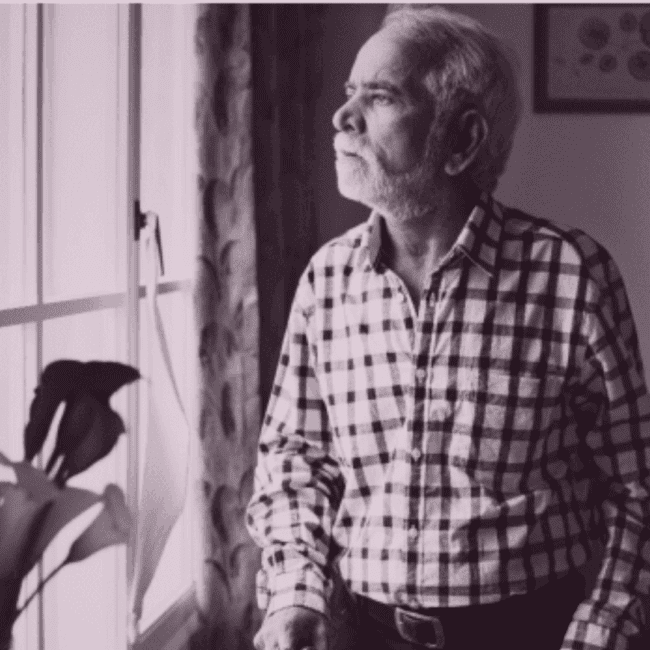
Many adult children today live with a quiet, persistent hum of anxiety. It is the worry that surfaces when a phone call goes unanswered for a few hours or when you realise it has been months since you personally checked the sturdiness of the handrails in your parents’ hallway. When you live in a different city or a different country, the distance can make even minor concerns feel magnified.
It is important to acknowledge that feeling this way is not a sign of neglect. It is a reflection of your care. However, you cannot be physically present in two places at once. The most effective way to replace that guilt with peace of mind is to build a neighbourhood support system for elderly parents that acts as a gentle, non-intrusive safety net.
By engaging trusted neighbours, you create a local layer of protection that respects your parents’ independence while ensuring they are never truly alone in an emergency.
Why Neighbours Matter in Everyday Safety
While technology like smart cameras or medical alerts has its place, nothing replaces the human eye of someone living next door. Neighbours are often the first to notice the subtle shifts in routine that might signal a problem.
In a local support for ageing parents, neighbours act as the “eyes and ears” on the ground. They are the ones who might notice:
- A morning newspaper that has remained on the doorstep until evening.
- Lights that have stayed on all night or remained off during the usual waking hours.
- An unusual absence from a daily walk or a trip to the local grocery store.
- Unfamiliar sounds or distress calls that a remote camera might not pick up.
The goal here is not constant supervision. Instead, it is about “respectful awareness.” It is the comfort of knowing that if something feels “off,” there is someone nearby who cares enough to check.
What Your Parents’ Neighbours Should Know
When building a neighbour emergency contact for seniors, clarity is your best friend. You do not need to share your parents’ entire medical history, but providing a few key details to one or two trusted individuals can save vital time.
Consider sharing a simple “In Case of Emergency” (ICE) card or a digital note containing:
- Primary and Secondary Contacts: Your phone number and that of another family member or a local professional caregiver.
- Basic Health Awareness: If your parents are comfortable, ask if they have a condition that might cause sudden confusion or mobility issues, such as diabetes or a history of dizzy spells.
- Access Instructions: Whether a spare key is kept with a specific person or in a secure lockbox.
- When to Call You: Clearly define what constitutes a reason to reach out. This prevents neighbours from feeling they are “bothering” you with small observations.
Always ensure that communication is minimal and purposeful. The dignity of your parents should remain the priority at all times.
How to Create a Respectful Local Alert System
Building a safety network for the elderly living alone does not have to be a formal or daunting process. It can be built through a few simple, actionable steps.
1. Identify Your Allies
Look for neighbours who have a long-standing relationship with your parents or those who are frequently at home during the day. Reliability and discretion are the most important traits to look for.
2. The Gentle Introduction
The next time you visit, suggest a tea or a quick chat with these neighbours. Introduce yourself and express your gratitude for their presence. Frame the conversation positively: “We are so glad they have such good neighbours. Would you mind if we swapped numbers just in case we ever need to reach each other?”
3. Establish Communication Channels
A simple WhatsApp group including you, your siblings, and the primary neighbour contact can be incredibly effective. It allows for quick updates without the pressure of a formal phone call.
4. Agree on Scenarios
Be specific about what you would like them to look for. For example, “If you see the porch light on after 10:00 AM, please give me a quick text.” This removes the guesswork for the neighbour and prevents hesitation during a real emergency.
Maintaining Independence While Building Safety
One of the greatest fears for seniors is the loss of autonomy. They may worry that neighbours knowing their business feels like “being watched” or “losing their privacy.”
To maintain a community care for seniors approach that feels supportive rather than stifling, follow these principles:
- Involve Your Parents: Never set up a system behind their back. Explain that this is for your peace of mind as much as their safety.
- Limit the Information: Only share what is strictly necessary for safety.
- Avoid Over-Checking: Encourage neighbours to only reach out if something is truly unusual.
- Empower the Senior: Remind your parents that they can also be a “neighbourhood watch” for their friends, turning the safety net into a mutual exchange of care.
Signs That a Local Support Network is Needed
While every senior can benefit from a friendly neighbour, a formal alert system becomes essential if:
- Your parents live alone in a large house or a secluded area.
- You live in a different time zone or more than an hour away.
- There have been recent changes in mobility, such as a fall or the use of a new walking aid.
- A recent hospitalisation has left them feeling a bit more frail than usual.
- They are starting to experience mild forgetfulness or confusion.
How Samarth Elder Care Strengthens Support for Ageing Parents
While neighbours are wonderful for immediate awareness, they cannot provide the structured, professional oversight that complex ageing often requires. Samarth Elder Care acts as a professional layer of support that works in harmony with your local community network.
Based in India, Samarth ensures that your parents remain safe and independent through a “dignity first” philosophy. Their key support areas include:
- Personalised Care Planning: Every senior receives a bespoke care assessment, resulting in a support plan tailored to their specific health and lifestyle.
- Preventive Health Monitoring: By coordinating with doctors and managing medications, Samarth identifies health concerns before they become emergencies.
- Daily Living Assistance: Dedicated support for routines like meals, hygiene, and home coordination ensures daily comfort.
- Cognitive and Emotional Engagement: Through companionship and mental activities, they help combat the isolation that often affects seniors living alone.
- Holistic Wellbeing: Their approach covers emotional health and social engagement, not just medical requirements.
- Technology-Enabled Updates: You receive regular reports and updates through their platform, keeping you connected regardless of the distance.
Combining the warmth of a neighbour’s watchful eye with the expertise of professional care creates the most robust safety net possible.
A Final Thought on Peace of Mind
No matter how much we wish we could, we cannot be everywhere at once. Relieving yourself of the pressure to be the sole provider of safety is the first step toward better care for your parents.
By building a thoughtful neighbourhood alert system and supplementing it with professional support, you are not just preparing for emergencies. You are creating an environment where your parents can continue to live with the dignity, independence, and security they deserve.